My Account





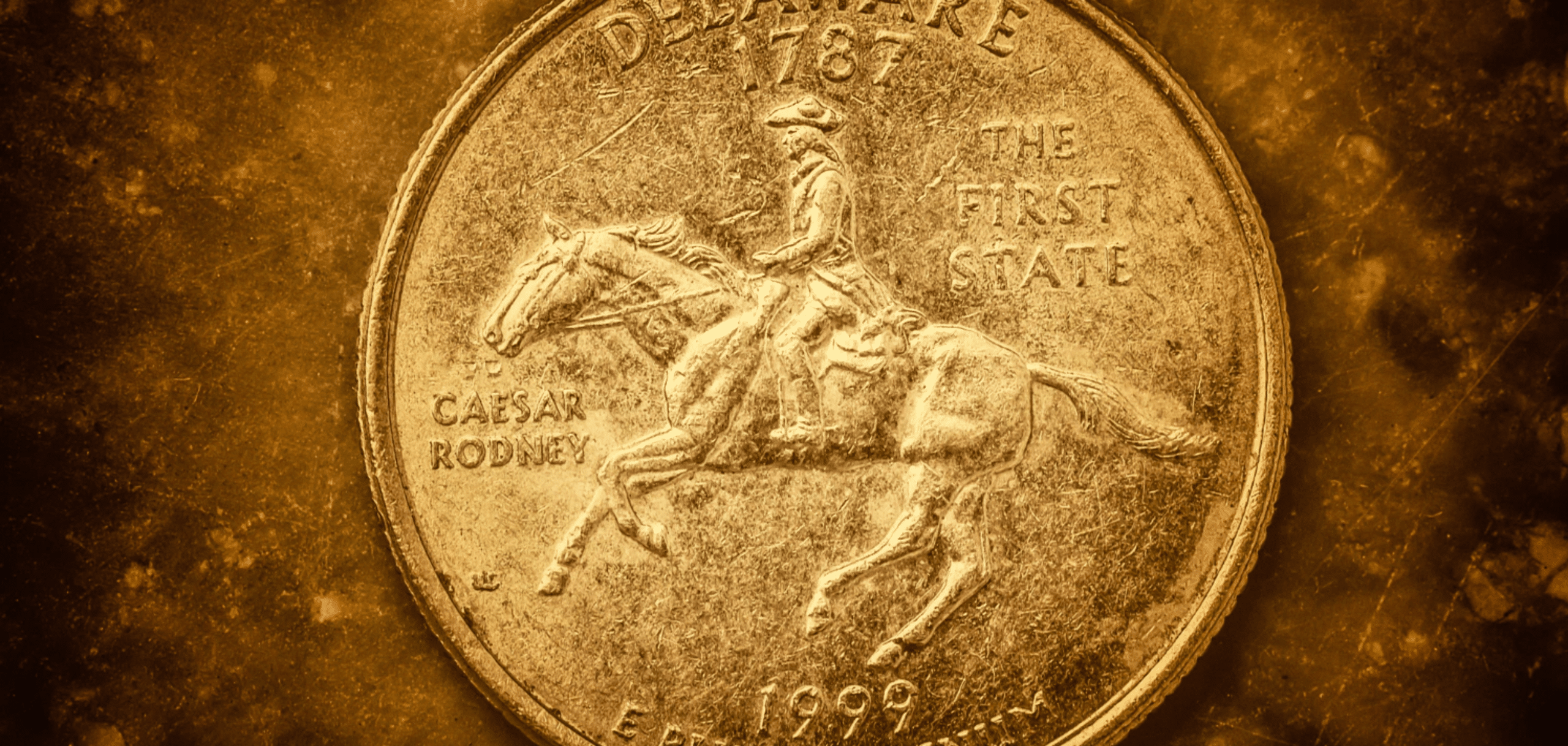
Two coins can be the same type, date, and mint mark yet have very different values. One reason is condition. The way a coin has been handled, circulated, and preserved can make a major difference to how collectors view it.
This is where coin grading comes in. Grading provides a standard way to describe a coin’s condition, helping collectors, buyers, and sellers understand what they are looking at. But how does the grading system work, and what do those numbers actually mean?
What Is Coin Grading?
Coin grading is the process of evaluating a coin’s physical condition and assigning a grade. The grade generally reflects the amount of wear and the preservation of the coin’s surfaces and original characteristics. Most U.S. coins are described using the Sheldon grading scale, which runs from 1 to 70. Both PCGS and NGC use the 1–70 scale for their grading systems.
Grading gives collectors, dealers, and buyers a common way to describe condition. However, a grade does not determine a coin’s value by itself. Rarity, date, mint mark, demand, precious-metal content, and other characteristics can also affect what a coin is worth.
Why Does Coin Condition Matter?
Condition can have a significant effect on a coin’s desirability and market value, particularly for collectible coins.
Two examples of the same coin may have the same date and mint mark, but the coin with less wear and better preservation may be more desirable to collectors. In some cases, even a small difference in grade can produce a substantial difference in market price.
However, a higher grade does not automatically make every coin valuable. A common coin in excellent condition may still be worth less than a rare coin in a lower grade.
How Does the Coin Grading Scale Work?
The Sheldon scale uses numbers from 1 to 70, with higher numbers generally representing better preservation.
The broad condition categories include:
- Poor to Good: Heavy wear, with major design details significantly worn.
- Very Good to Very Fine: Increasing amounts of design detail remain as wear decreases.
- Extremely Fine: Light wear with most major details still clear.
- About Uncirculated: Slight circulation wear remains, usually on the highest points of the design.
- Mint State: Uncirculated coins graded from MS-60 through MS-70.
The grading scale provides a common framework, but individual coins are evaluated based on their specific characteristics.
Coin Grade Reference Guide
The following table is a simplified reference to common U.S. coin grading terms. Professional grading involves examining the individual coin’s wear, strike, luster, surface preservation, and eye appeal. For the complete grading descriptions and standards, see PCGS Grading Standards.
| Grade | Meaning | General Condition |
| G-4 | Good | Heavy wear, but major design features remain identifiable |
| VG-8 | Very Good | More design detail remains, although significant wear is visible |
| F-12 | Fine | Moderate wear with major design details still visible |
| VF-20 | Very Fine | Moderate wear with more design detail remaining |
| VF-30 | Very Fine | Light wear with most major features clearly defined |
| EF-40 | Extremely Fine | Light wear with most major details clearly visible |
| AU-50 | About Uncirculated | Slight wear remains on the higher areas of the design |
| MS-60 | Mint State | No circulation wear, but noticeable marks or other imperfections may be present |
| MS-61 to MS-69 | Mint State | Increasing levels of preservation, with differences in marks, luster, strike, and eye appeal |
| MS-70 | Mint State | Extremely well-preserved; grading services apply specific standards for the highest grade |
For example, VF-30 means Very Fine at grade 30 on the 1–70 scale. The table lists representative grades rather than every grade that may be assigned.
What Do Coin Graders Look For?
Professional graders examine several characteristics when determining a coin’s condition.
Wear
Wear is especially important for circulated coins. Graders examine the high points of the design and other areas where circulation would normally remove detail.
Surface Condition
Scratches, contact marks, dents, cleaning, corrosion, and other surface problems can affect how a coin is evaluated.
Original Luster
Uncirculated coins may retain the original luster created during the minting process. Changes to that luster can help graders evaluate the coin’s preservation.
Strike and Detail
Strike refers to how clearly the coin’s design was produced during minting. A weak strike can leave certain areas less defined even when the coin has little or no circulation wear.
Overall Appearance
Eye appeal can also influence how an uncirculated coin is evaluated. PCGS identifies strike, luster, surface preservation, and eye appeal as important components of Mint State grading.
What Are PCGS and NGC?
Two of the best-known professional third-party grading services are Professional Coin Grading Service (PCGS) and Numismatic Guaranty Company (NGC). These companies authenticate and grade eligible coins and encapsulate many certified coins in protective holders. Their standardized grading systems help buyers and sellers communicate about a coin’s condition and authenticity.
PCGS uses the Sheldon 1–70 scale and publishes detailed grading standards. NGC also uses the internationally recognized Sheldon 1–70 scale and provides its own grading standards. A certified grade can provide useful information, but it does not determine a coin’s market value by itself. Rarity, demand, date, mint mark, strike, eye appeal, and other characteristics still matter.
What Are Details Grades?
Not every coin receives a standard numerical grade. A coin with a significant surface problem, such as cleaning or damage, may receive a Details designation instead of a regular numerical grade.
A Details grade indicates the approximate level of preservation while also identifying that a problem prevents the coin from receiving a normal straight grade. PCGS, for example, uses Details designations for coins with problems that prevent a regular numerical grade.
For example, AU Details Cleaned indicates that the coin has characteristics consistent with About Uncirculated condition, but cleaning prevents it from receiving a normal AU numerical grade. This distinction matters because a Details coin should not automatically be valued the same as a problem-free coin carrying the same apparent wear grade. NGC also uses Details grading for coins with surface conditions that prevent numeric grading.
Circulated vs. Uncirculated Coins
One important distinction in grading is the difference between About Uncirculated (AU) and Mint State (MS).
Mint State coins show no circulation wear, although they can have contact marks or other imperfections from production, handling, and storage. Coins with slight wear may fall into the About Uncirculated category. Uncirculated does not mean flawless.
In general:
- About Uncirculated (AU): The coin has slight circulation wear, generally visible on the highest points of the design.
- Mint State (MS): The coin shows no circulation wear, although it may still have marks or other imperfections.
This distinction is important because a coin can be uncirculated without being a high-grade MS-65, MS-67, or MS-70 example.
What Is a Proof Coin?
Proof describes a special method of producing a coin rather than simply describing how unworn it is. Proof coins are generally struck using specially prepared dies and planchets and often receive multiple strikes at slower speeds and higher pressure. They are typically identified with PR or PF designations rather than MS.
For example, a proof coin can receive a grade such as PF-65. The PF designation identifies the strike type, while 65 represents its numerical grade. This means a Proof coin and a Mint State coin should not be treated as interchangeable simply because both may appear highly preserved.
What Can Lower a Coin’s Grade?
Several issues can affect a coin’s condition or prevent it from receiving a normal numerical grade. Common examples include:
- Scratches
- Dents
- Circulation wear
- Cleaning
- Corrosion
- Stains
- Improper handling
- Other surface damage
Why Cleaning Is a Concern
Cleaning an old coin may seem like a good way to improve its appearance, but polishing, chemicals, and abrasive materials can alter or damage the original surface. A coin with cleaning or another significant surface problem may receive a Details designation rather than a standard numerical grade. For this reason, it is generally best not to clean an old or potentially valuable coin before having it evaluated.
Can You Grade a Coin at Home?
You can make a basic assessment of a coin’s condition at home, but assigning an accurate professional grade can be difficult.
Start by examining:
- The date and mint mark
- The amount of visible wear
- Major design details
- Scratches or other damage
- Signs of cleaning
- Surface quality and overall appearance
Use good lighting and avoid touching the coin’s surfaces unnecessarily.
Home inspection can help you understand the general condition of a coin, but it should not be treated as professional certification. For potentially rare or valuable coins, professional evaluation can provide a more reliable assessment.
When Is Professional Coin Grading Worth It?
Before paying for professional grading, compare the likely benefit of authentication and certification with the total cost, including grading fees, shipping, insurance, and any applicable submission charges.
There is no universal coin-value cutoff for deciding whether grading is worthwhile. A common coin may not gain enough value to justify the expense, while a coin with an important attribution or authenticity question may warrant closer evaluation.
Consider:
- The coin’s potential market value
- Rarity and collector demand
- The likelihood that certification could affect its value
- Authentication concerns
- Grading and submission fees
- Shipping and insurance costs
- Whether buyers in that market place greater confidence in certified examples
Before submitting a coin, it can be useful to ask a knowledgeable dealer or numismatic professional to help assess whether the likely benefit justifies the cost.
Does a Higher Coin Grade Always Mean a Higher Value?
Not necessarily. Grade is important, but coin value depends on several factors working together.
When evaluating a coin, consider:
- Rarity
- Date and mint mark
- Condition
- Collector demand
- Historical significance
- Precious-metal content
- Errors or varieties
A high-grade common coin may still be worth less than a lower-grade example of a genuinely rare issue. PCGS also notes that factors such as strike, luster, toning, centering, planchet quality, eye appeal, and supply and demand can affect market value.
Why Coin Grading Matters When Buying or Selling
A clear understanding of condition can help buyers and sellers make better-informed decisions. For buyers, a grade provides a standardized indication of a coin’s preservation. For sellers, understanding condition can help provide a more accurate description when having a coin evaluated.
This becomes especially important with rare, collectible, or precious-metal coins where differences in condition can have a meaningful impact on market value.
FAQs
What does MS mean on a coin?
MS stands for Mint State. It is generally used for uncirculated business-strike coins and is followed by a numerical grade from 60 through 70.
What is the difference between PCGS and NGC?
PCGS and NGC are major professional coin grading and certification services. Both use the Sheldon 1–70 grading scale, although their grading standards, holders, designations, and market perceptions can differ.
What does a Details grade mean?
A Details designation indicates that a coin has characteristics of a particular condition level but has a problem, such as cleaning or damage, that prevents it from receiving a standard numerical grade.
Should I clean a coin before getting it graded?
No. Cleaning can alter a coin’s original surface and may result in a Details designation or reduce its collector appeal. It is generally better to leave potentially valuable coins in their original condition until they can be evaluated.
Is professional coin grading worth it?
It can be worthwhile for rare, valuable, or collectible coins, but there is no universal value cutoff. Compare the potential benefit of authentication and certification with grading fees, shipping, insurance, and other costs before submitting a coin.
Understanding Coin Condition Before You Sell
Coin grading gives collectors and buyers a consistent way to describe condition, but it is only one part of understanding a coin’s potential value.
Learning to recognize wear, surface damage, original detail, and common grading categories can help you make a more informed assessment. If a coin appears rare, unusual, or potentially valuable, professional evaluation can provide a clearer picture of what you have.
Have a coin collection in Naples that you would like evaluated? Contact Leif’s Coins at 239-872-6768 to discuss your coins and selling options. A dealer’s evaluation can also help you decide whether third-party authentication or grading is worth considering.