My Account




Morgan Silver Dollar auction results show how much collectors may pay for coins with a rare date, a scarce mint mark, or an exceptional grade. In 2026, an 1893-S Morgan Silver Dollar graded PCGS MS-65 sold for $1,181,250, while an 1881-S graded PCGS MS-67 sold for $19,520. These sales illustrate why the coin’s individual characteristics matter when comparing prices.
Leif’s Coins buys and sells rare coins, silver, gold, and collectibles in Naples, Florida. For collectors researching Morgan Silver Dollars, recent auction results provide useful context, but the value of an individual coin depends on its date, mint mark, condition, authenticity, and demand.
Recent Morgan Silver Dollar Auction Results
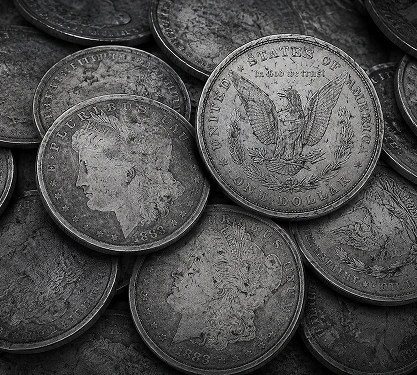
Morgan Silver Dollars were minted from 1878 to 1921, with production taking place at several U.S. mints. Their dates and mint marks help distinguish common issues from scarce examples. Recent auction results also show that a coin from a widely produced year can attract a strong price when it has an exceptional grade or other desirable characteristics.
Collectors interested in the series’ origins can read about Morgan Silver Dollar history through the U.S. Mint, including the coin’s design and production history.
1893-S Morgan Silver Dollar — $1,181,250
In August 2026, an 1893-S Morgan Silver Dollar graded PCGS MS-65 with CAC approval sold for $1,181,250 at GreatCollections. The coin had previously belonged to notable collections, including those of J. M. Clapp and Louis E. Eliasberg Sr. Its documented ownership history added to its significance.
The San Francisco Mint produced just 100,000 Morgan Dollars in 1893, making the 1893-S a key date in the series. The reported $1,181,250 result set a record for the issue in the MS-65 grade with CAC approval, rather than an all-time record for every Morgan Dollar. An even higher-grade 1893-S sold for $2,086,875 in 2021.
This example shows how scarcity, condition, and provenance can combine to make a particular Morgan Dollar especially desirable. The price should not be treated as a typical value for all 1893-S coins, as examples in lower grades can sell for substantially less.
1881-S Morgan Silver Dollar — $19,520
An 1881-S Morgan Silver Dollar graded PCGS MS-67 with a Gold CAC sticker sold for $19,520 at Heritage Auctions on June 15, 2026. The San Francisco Mint produced 12,760,000 Morgan Dollars that year, so the issue is much more widely available than the 1893-S.
The sale demonstrates why mintage alone does not determine a coin’s price. An issue with a large original production can still attract strong interest when an individual example has exceptional preservation and a high grade. The coin’s certification and Gold CAC approval were important details in this particular sale.
Collectors comparing 1881-S Morgan Dollars should therefore look beyond the date and mint mark. Differences in grade, surface quality, and certification can affect the price of otherwise similar coins.
1883-CC Morgan Silver Dollar — $4,270
An 1883-CC Morgan Silver Dollar graded PCGS MS-67 was reported sold through Stack’s Bowers Galleries for $4,270 on May 7, 2026. The CC mint mark identifies coins produced at the Carson City Mint in Nevada.
Carson City issues attract interest from collectors building date-and-mint-mark sets. However, a CC mint mark does not automatically make every coin extremely valuable. The price still depends on the specific date, grade, originality, and demand for that example.
This sale offers a useful comparison with the higher-priced 1893-S and 1881-S examples. Auction results vary widely across the Morgan Dollar series, so collectors should compare coins with matching dates, mint marks, and grades wherever possible.
Why Do Some Morgan Silver Dollars Sell for More?
A Morgan Silver Dollar’s age is only one part of its appeal. Several characteristics help explain why one example may sell for considerably more than another.
Date and Mint Mark
The date and mint mark help identify where a coin was produced and how scarce it may be. The 1893-S is particularly sought after because of its low mintage, while other issues were produced in much larger quantities.
Collectors should confirm the date and mint mark before comparing a coin with auction results. Two Morgan Dollars that look similar may have very different market values because they come from different mintage years or mints.
Condition and Professional Grade
A coin’s grade reflects its condition under a recognised grading system. Morgan Dollars graded Mint State have not circulated in the usual sense, although their surfaces can still vary significantly in preservation, marks, and appearance.
A high grade can make a coin more desirable, especially when few examples have achieved the same grade. Certification from a recognised grading service can help buyers compare coins more consistently, but the grade should always be considered alongside the specific coin and its market history.
Collectors can use the American Numismatic Association’s Morgan Dollar grading guide to understand how different grades reflect a coin’s condition.
Rarity and Surviving Examples
Original mintage figures are useful, but they do not tell the whole story. The number of coins that survive today, the grades in which they survive, and how frequently they appear for sale can also affect demand.
The 1893-S illustrates this distinction. Its original mintage was low, and high-grade examples are particularly scarce. Other Morgan Dollars may be easier to find in circulated condition but much harder to obtain in exceptional grades.
Provenance and Collector Demand
Provenance is a coin’s documented ownership history. A connection to a well-known collection may attract additional attention, particularly when the history is supported by reliable records.
Demand can also change between auctions. If several collectors want the same rare coin, competition may push the final price above previous results. However, a strong sale does not guarantee that another example will achieve the same amount.
Collectors exploring the wider history of American coinage can also browse the Smithsonian’s National Numismatic Collection, which preserves coins and other objects connected with the history of money.
How to Compare Morgan Silver Dollar Prices
When researching Morgan Silver Dollar prices, compare the details of each sale rather than relying on a headline figure. The following checks can help make comparisons more meaningful:
- Date and mint mark: Make sure the auction result is for the same issue as the coin being researched.
- Grade and certification: Compare coins with similar grades and note the grading service.
- Sale date: Recent transactions may reflect market conditions more accurately than older results, although rare coins can have few comparable sales.
- Final price: Check whether the published amount includes the buyer’s premium, as auction houses may report prices differently.
- Provenance and special attributes: Consider whether the sold coin had a notable ownership history, CAC approval, or other features that could affect its price.
A price guide can provide additional context, but it should not replace research into actual completed sales. Where few comparable examples exist, a single auction result may not be enough to estimate a realistic value.
For additional historical context, collectors can explore the Smithsonian’s National Numismatic Collection, which features coins and other objects connected with the history of money.
Do Record Auction Prices Reflect the Value of Every Morgan Dollar?
No. A record sale reflects a particular coin and a specific transaction. It does not establish a standard price for every Morgan Silver Dollar with the same date.
For example, the $1,181,250 result for the 1893-S was associated with a high-grade example and a notable ownership history. A circulated 1893-S Morgan Dollar has different characteristics and should be compared with sales of coins in similar condition.
The same principle applies to more common dates. An 1881-S in an exceptional grade may attract a strong price, while a lower-grade example of the same issue may sell for much less. Buyers and sellers should consider the complete details of a coin before drawing conclusions from an auction headline.
FAQs
Which Morgan Silver Dollar Recently Sold for More Than $1 Million?
An 1893-S Morgan Silver Dollar graded PCGS MS-65 with CAC approval sold for $1,181,250 at GreatCollections in August 2026. The result was a record for that issue in the MS-65 grade with CAC approval, not the highest price ever paid for any Morgan Dollar.
Why Is the 1893-S Morgan Silver Dollar So Valuable?
The 1893-S had an original mintage of just 100,000 coins, making it a key date in the Morgan Dollar series. Its scarcity, condition, and the demand for high-grade examples contribute to its appeal.
Can a Morgan Silver Dollar From a Common Year Be Valuable?
Yes. Coins from years with high mintages can still command strong prices if they have exceptional grades, desirable surface qualities, or other sought-after characteristics.
Where Can I Check Recent Morgan Silver Dollar Auction Prices?
Completed auction records from established coin auction houses can help collectors research realised prices. When comparing results, check the date, mint mark, grade, sale date, and whether the reported amount includes the buyer’s premium.
Does a High Auction Price Mean My Morgan Dollar Is Worth the Same Amount?
No. A coin’s value depends on its own characteristics and the market for comparable examples. A high-profile auction result is a reference point, not a guaranteed offer for another coin.
Understanding the Morgan Silver Dollar Market
Recent Morgan Silver Dollar auction results show how widely prices can vary across the series. The 1893-S demonstrates the impact of rarity and provenance, while the 1881-S shows how exceptional condition can make a widely produced issue desirable. The 1883-CC provides another example of the interest surrounding Carson City coins.
For a realistic assessment, identify the coin accurately and compare it with completed sales of similar examples. Leif’s Coins buys and sells rare coins, silver, gold, and collectibles in Naples, Florida. Understanding a Morgan Dollar’s date, mint mark, condition, and market context is a useful first step when considering a collection.