My Account





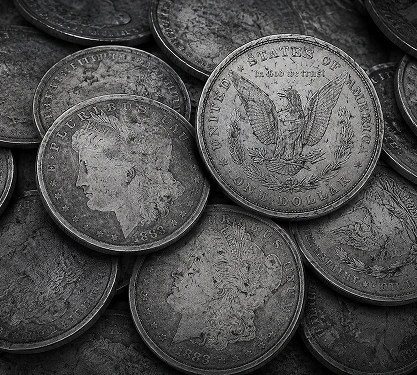
Rare coin auction results show what collectors are willing to pay for coins with exceptional rarity, condition, historical importance, or unusual minting features. Recent sales in 2026 include a 1792 Half Disme that sold for nearly $2.93 million, a rare 1879 Liberty Head Quintuple Stella that brought in $2.562 million, and a 1943-S Lincoln cent struck on a bronze planchet that sold for $456,000. These results highlight the value that distinctive coins can command in the collector market.
At Leif’s Coins, collectors can explore rare coins, precious metals, and collectible items while learning about the factors that influence their value. Understanding verified auction results is a useful starting point when researching a coin, comparing similar examples, or considering whether to buy or sell a collection.
Latest Rare Coin Auction Results: Recent Sales and Prices
Several notable American coins achieved significant prices at auction during 2026. These sales illustrate how rarity, professional grading, and historical significance can influence what bidders are prepared to pay.
1792 Half Disme — $2,928,000
On October 9, 2026, a 1792 Half Disme from the Ronald Firman Collection sold for $2,928,000 at Heritage Auctions. Graded MS68 by PCGS, it set an auction record for the issue.
The coin is significant because it belongs to the earliest period of federal American coinage. Its exceptional preservation and historical importance helped distinguish it from other surviving examples.
1879 Liberty Head Quintuple Stella — $2,562,000
A 1879 Liberty Head Quintuple Stella sold for $2,562,000 at Heritage Auctions on September 2, 2026. The coin was graded PR64+ Deep Cameo by PCGS.
The Quintuple Stella is an exceptionally rare gold pattern coin associated with experiments in international coinage. Only five examples are known, including one held by the Smithsonian Institution. Its rarity, distinctive design, and connection to proposed alternative coinage standards make it particularly important to specialist collectors.
1943-S Lincoln Cent Struck on a Bronze Planchet — $456,000
On March 10, 2026, a 1943-S Lincoln cent struck on a bronze planchet sold for $456,000 at Stack’s Bowers Galleries. PCGS graded the coin AU55.
Most Lincoln cents produced in 1943 were struck in zinc-coated steel as the United States conserved copper for wartime needs. A cent from that year struck on bronze is an unusual minting error, which makes confirmed examples especially desirable to collectors.
The sale demonstrates how an unusual composition and verified authenticity can make an error coin considerably more valuable than an ordinary example of the same denomination.
What Makes These Rare Coins So Valuable?
The auction prices above are not typical of all collectible coins. They reflect exceptional examples with specific characteristics that distinguish them from more common pieces. The U.S. Mint’s guide to collectible coins provides additional information about collectible coins and the characteristics that can make them interesting to collectors.
Rarity and Surviving Examples
A low original mintage can contribute to a coin’s scarcity, but mintage alone does not determine rarity. The number of surviving examples, their condition, and how frequently they appear on the market also matter.
For instance, the limited number of known Quintuple Stella examples makes each appearance at auction important to collectors seeking rare American pattern coins.
Condition and Professional Grading
Coin condition can have a substantial effect on auction prices. Professional grading services such as PCGS and NGC assess factors including wear, surface preservation, and overall appearance. The American Numismatic Association’s Official Grading Standards offer further guidance on understanding coin grades and condition.
A coin graded MS68, for example, is classified as a Mint State coin with a very high numerical grade. Proof coins use a separate grading designation, so their grades should be compared with other coins of the same type and grading category.
Even small differences in preservation can influence the price of an already rare coin.
Historical Significance and Minting Errors
Coins associated with important periods in American history can attract collectors interested in more than their metal content. Early federal issues, experimental designs, and unusual production errors can all have numismatic significance.
The 1792 Half Disme represents an early chapter in federal coinage, while the 1943-S bronze Lincoln cent is notable for its unusual composition. Their appeal comes from different historical circumstances, but both offer collectors a distinctive story.
Provenance and Collector Demand
Provenance is the documented ownership history of a coin. A well-established record can help verify its identity and connect it with recognised collections or previous sales.
Demand also matters. When several collectors compete for a particularly desirable coin, the final price may exceed earlier results for similar examples. However, demand changes over time, and one exceptional sale does not guarantee that another example will achieve the same amount.
A Historic Benchmark: The 1933 Double Eagle
Some auction results remain important long after the sale because they establish major milestones in coin collecting. The Smithsonian National Numismatic Collection offers historical context on American coins and the broader study of numismatics.
On June 8, 2021, a 1933 Saint-Gaudens Double Eagle sold for $18,872,250 at Sotheby’s. The $20 gold coin became the most expensive coin sold at public auction at that time. It was also exceptional because it was the only example of the 1933 issue authorised for private ownership.
The coin’s complicated legal history, rarity, and exceptional collector interest contributed to its significance. Although the sale is not a recent 2026 result, it provides useful historical context for understanding the prices that extraordinary numismatic rarities can achieve.
It is important to distinguish historic records from current market activity. A record-breaking result for a unique coin does not represent the usual selling price for other gold coins, Double Eagles, or collectible American currency.
How to Check and Compare Rare Coin Auction Results
Collectors can research completed sales through established auction houses and numismatic reference services. Heritage Auctions and Stack’s Bowers Galleries publish auction information, while PCGS and NGC provide grading and coin-reference resources. GreatCollections is another source of completed coin auction listings.
When reviewing an auction result, check the following details:
- Coin identification: Confirm the denomination, date, mint mark, and variety where applicable.
- Grading information: Compare the grading service and numerical grade rather than relying on appearance alone.
- Sale date: Make sure the result reflects a completed auction and not an estimate or upcoming lot.
- Final price: Check whether the reported amount includes the buyer’s premium. Auction houses may present hammer prices and total prices differently.
- Comparable examples: Look for sales of the same coin type and variety in a similar grade, preferably across multiple auctions.
These checks help prevent misleading comparisons between coins that may look similar but differ in rarity, condition, or certification.
What Do Auction Results Mean When Buying or Selling Coins?
Auction records can help buyers and sellers understand the prices achieved by comparable coins, but they should not be treated as guaranteed valuations.
A rare coin sold for millions of dollars may be an exceptional specimen with a unique history or unusually high grade. Another example of the same date and denomination could be worth considerably less because of differences in condition, authenticity, or collector demand. The NGC Coin Price Guide can also help collectors research estimated coin values across different grades.
For bullion coins, the value of the precious metal is also important. Gold and silver spot prices provide a starting point for understanding the metal content, while collectible premiums may add value depending on the coin.
Anyone considering selling a collection should identify the coins accurately, review relevant comparable sales, and obtain a professional evaluation when needed. This is especially helpful when a collection contains older coins, unusual varieties, or pieces whose authenticity and grade are uncertain.
FAQs
Where Can I Find the Latest Rare Coin Auction Results?
You can check completed sales on Heritage Auctions, Stack’s Bowers Galleries, and GreatCollections. PCGS and NGC are also useful for researching coin identification and grading. Always confirm the sale date and final price against the relevant auction record.
Which Rare Coins Sold for High Prices in 2026?
Notable 2026 results include a 1792 Half Disme that sold for $2,928,000 at Heritage Auctions, a 1879 Liberty Head Quintuple Stella that sold for $2,562,000, and a 1943-S bronze Lincoln cent that brought $456,000 at Stack’s Bowers Galleries.
Why Do Some Rare Coins Sell for Millions of Dollars?
Exceptional prices can reflect a combination of scarcity, condition, historical significance, provenance, and strong competition among collectors. No single factor guarantees a high selling price.
Do Auction Results Tell Me What My Coin Is Worth?
Auction results provide useful comparisons, but they do not establish a guaranteed value for every coin. Your coin’s variety, grade, authenticity, condition, and current demand can all affect its potential selling price.
Are Rare Coin Auction Prices the Same as Dealer Buying Prices?
No. An auction result records a transaction under specific sale conditions. A dealer’s buying offer may differ because of resale costs, market conditions, demand, and the coin’s expected resale value.
Exploring the Market for Rare and Valuable Coins
Recent auction records show that exceptional coins can attract substantial prices when rarity, condition, and historical significance come together. However, understanding a coin’s value requires more than looking at the highest sale price. Accurate identification, comparable auction results, and professional assessment all help build a more realistic picture of the market.
Leif’s Coins buys and sells rare coins, gold, silver, and collectibles in Naples, Florida. Whether you are researching a collection or considering selling coins you own, understanding their characteristics and market context is an important first step.