My Account





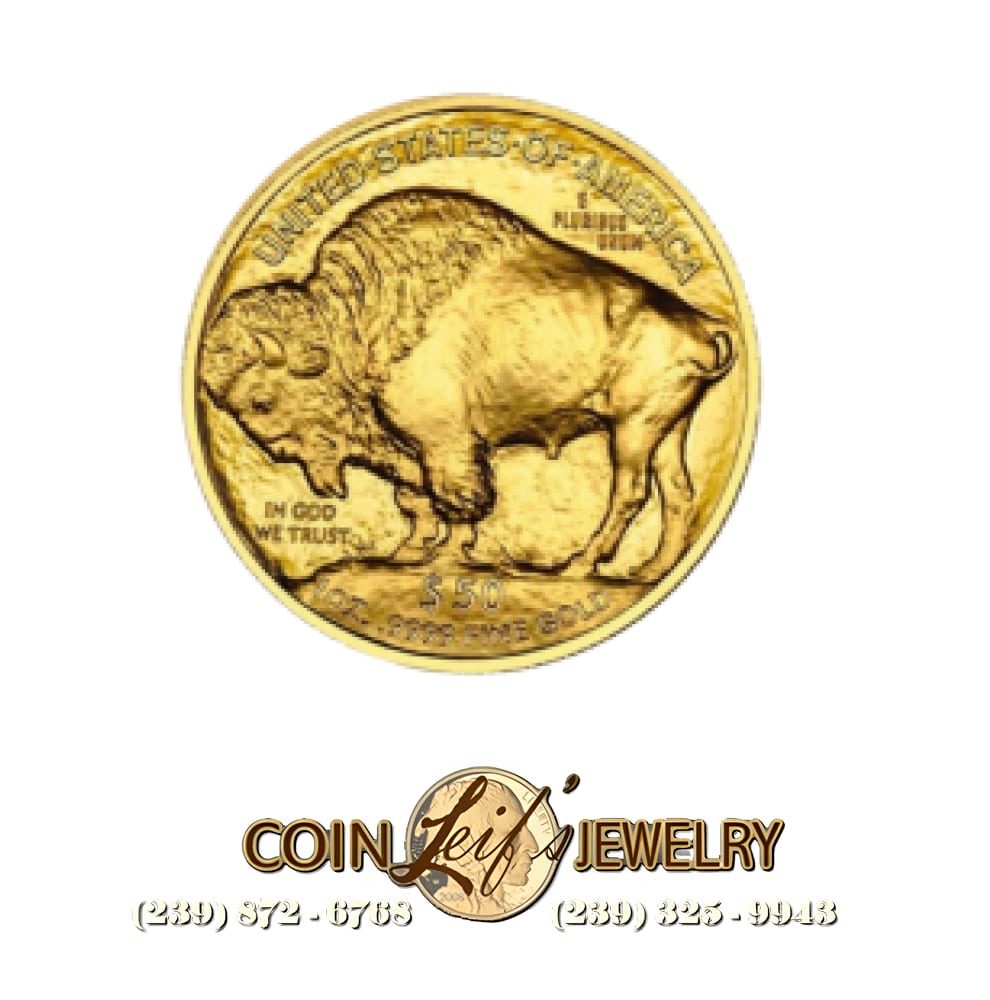
The American Gold Buffalo stands out among modern U.S. gold coins because its design is rooted in classic American coinage. Introduced by the United States Mint in 2006, it became the Mint’s first U.S. bullion coin made from .9999 fine, or 24-karat, gold. Its Native American portrait and American bison design were adapted from the famous Buffalo Nickel, giving the coin a strong connection to American numismatic history.
But why was the Gold Buffalo created, where did its design come from, and what makes it interesting to collectors today?
What Is the American Gold Buffalo?
The American Gold Buffalo is a U.S. gold bullion coin produced by the United States Mint. It was introduced in 2006 and is made from 99.99% pure gold, also described as .9999 fine or 24-karat gold. The standard one-ounce American Gold Buffalo has a $50 face value as U.S. legal tender.
Its market value, however, is primarily based on its gold content rather than its face value, with collectible examples potentially carrying an additional premium. The Gold Buffalo is especially recognizable because both sides are based on the design of the Buffalo Nickel. This gives a modern high-purity gold coin the appearance and character of an important piece of early 20th-century American coinage.
The History of the American Gold Buffalo
The Gold Buffalo was introduced in 2006 as part of the U.S. Mint’s modern bullion program. Its launch gave buyers another U.S.-minted gold option while bringing one of America’s best-known coin designs into a high-purity gold format.
Unlike the American Gold Eagle, which uses 22-karat gold, the Gold Buffalo was created with 24-karat gold. The Eagle contains 91.67% gold with silver and copper, while the Buffalo contains 99.99% gold. This difference in composition gives the two coins distinct characteristics and makes the Gold Buffalo an important option for buyers who prefer .9999 fine gold.
The Story Behind the Gold Buffalo Design
The design is one of the most important features of the American Gold Buffalo. It is based on the Buffalo Nickel, which was designed by American sculptor James Earle Fraser and first issued in 1913.
By adapting Fraser’s work for a modern gold bullion coin, the U.S. Mint connected historic American coinage with the modern precious-metals market.
The Native American Portrait
The obverse features a detailed portrait of a Native American.
Fraser developed the design using features from several Native American individuals rather than creating a portrait of one specific person. The resulting image became one of the most recognizable portraits in American coinage and was later adapted for the Gold Buffalo.
The American Bison
The reverse features an American bison standing on a raised area of ground. This design also comes from Fraser’s Buffalo Nickel. The bison became one of the defining images of the original nickel and gave the coin its popular Buffalo Nickel name.
Its use on the Gold Buffalo gives the modern coin an instantly recognizable American identity. For collectors, this connection links a modern 24-karat gold coin to one of the most familiar designs in U.S. numismatic history.
How Pure Is the American Gold Buffalo?
The American Gold Buffalo is made from 99.99% pure gold, or .9999 fine gold. This makes it a 24-karat gold coin and distinguishes it from the 22-karat American Gold Eagle. The standard 1-ounce Gold Buffalo contains one troy ounce of pure gold and weighs one troy ounce.
This differs from the 1-ounce Gold Eagle. Because the Eagle is made from a 22-karat gold alloy, its gross weight is about 1.09 troy ounces, while it still contains one troy ounce of pure gold. The Gold Buffalo’s higher purity is one of its main distinctions, although 24-karat gold is softer than alloyed gold and can be more susceptible to scratches from improper handling.
American Gold Buffalo Size and Gold Content
The standard American Gold Buffalo is a 1-ounce coin containing one troy ounce of .9999 fine gold. The U.S. Mint expanded the program in 2008 to include fractional Gold Buffalo coins in 1/2-ounce, 1/4-ounce, and 1/10-ounce sizes, offered in proof and uncirculated versions.
These fractional Gold Buffalo coins were produced only in 2008 as proof and uncirculated collector issues. They were not part of the continuing annual bullion sizes. The Mint’s 2008 announcement lists the corresponding denominations as $25, $10, and $5, while the standard one-ounce coin carries a $50 denomination. U.S. Mint’s 2008 announcement. These 2008 fractional issues provide an interesting collecting point for buyers looking beyond standard one-ounce bullion coins.
Gold Buffalo Face Values
| Coin size | Face value | Issue |
| 1 oz | $50 | Standard one-ounce coin |
| 1/2 oz | $25 | 2008 collector issue |
| 1/4 oz | $10 | 2008 collector issue |
| 1/10 oz | $5 | 2008 collector issue |
The face value is the coin’s legal-tender denomination, not its market value. Gold Buffaloes generally trade based on their gold content and any applicable premium rather than their relatively low face values.
Why Does the Gold Buffalo Appeal to Collectors?
The American Gold Buffalo combines several features that can interest collectors and precious-metals buyers.
Historic Design
Its artwork comes from the famous Buffalo Nickel, giving the coin a direct connection to early 20th-century American coinage.
High Gold Purity
Its .9999 fine gold composition makes it distinct from the 22-karat American Gold Eagle.
U.S. Mint Production
As an official U.S. Mint coin, the Gold Buffalo has an established place in the American bullion market. The standard one-ounce coin has a $50 legal-tender denomination.
Different Issues
Collectors can explore Gold Buffaloes from different years, as well as proof and uncirculated issues and the limited 2008 fractional coins.
The combination of historic artwork, high-purity gold, and different collecting formats gives the series appeal beyond its basic bullion value.
American Gold Buffalo vs. American Gold Eagle
Both coins are official U.S. gold bullion products, but they differ in purity, composition, design, and physical characteristics.
| Feature | American Gold Buffalo | American Gold Eagle |
| Introduced | 2006 | 1986 |
| Face value | $50 for the standard 1 oz coin | $5, $10, $25, or $50, depending on size |
| Gold purity | 99.99% | 91.67% |
| Gold fineness | .9999 | .9167 |
| Gold karat | 24-karat | 22-karat |
| Standard 1 oz gold content | 1 troy oz pure gold | 1 troy oz pure gold |
| Main design inspiration | Buffalo Nickel | Saint-Gaudens’ Liberty design |
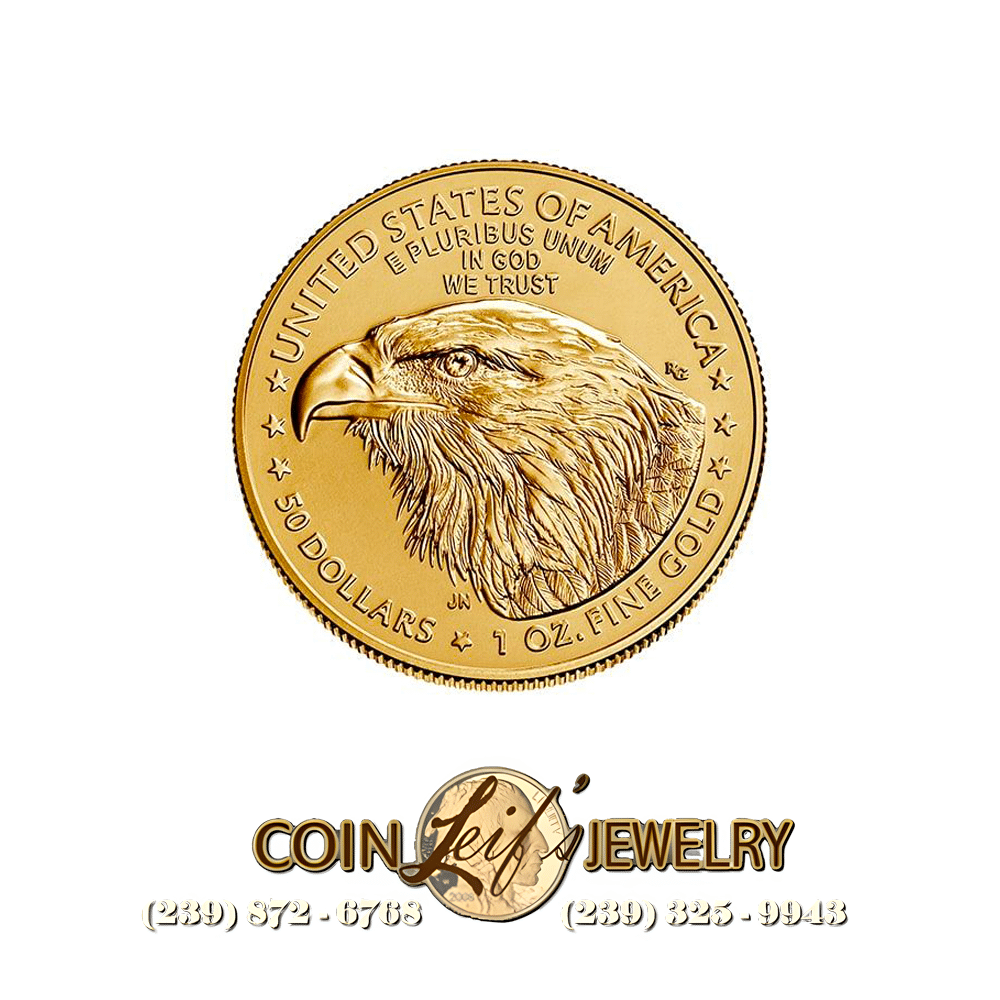
| Reverse design | American bison | Eagle and nest (1986–2021) / eagle portrait (2021 onward) |
The key difference is gold purity. The Gold Buffalo is made from 24-karat gold, while the Gold Eagle uses a 22-karat gold alloy. The two coins also have different designs. The Gold Buffalo carries the Native American portrait and bison from the Buffalo Nickel, while the Gold Eagle uses a Saint-Gaudens-inspired Liberty design and has had two different reverse designs.
For collectors comparing the two, the Gold Buffalo offers higher purity, while the Gold Eagle has a longer production history and a more durable 22-karat alloy. You can also learn more about the history and design of the American Gold Eagle.
Gold Buffalo Premiums and Market Value
The market value of an American Gold Buffalo is primarily tied to the current price of gold and the coin’s gold content. When comparing a one-ounce Gold Buffalo with a one-ounce Gold Eagle, check each coin’s current premium over the same gold spot price. Premiums can vary with availability, quantity, dealer pricing, and the specific issue.
Standard bullion coins should also be compared separately from proof and other collector issues. Proof and collectible Gold Buffalos can carry premiums beyond their precious-metal value because collectors may place additional value on their condition, finish, rarity, or demand. For buyers comparing U.S. gold coins, the premium is therefore an important factor alongside gold purity, design, condition, and current market conditions.
Are American Gold Buffalo Coins IRA Eligible?
American Gold Buffalo coins can qualify for eligible precious-metals IRAs when they meet applicable IRS requirements. The IRS provides an exception allowing an IRA to invest in certain one-ounce, one-half-ounce, one-quarter-ounce, and one-tenth-ounce U.S. gold coins minted by the Treasury Department, as well as certain bullion products.
The coins must remain in the possession of the IRA custodian or trustee rather than the account owner. IRS Publication 590-B. Because IRA rules can depend on the specific account, transaction, and custodian, buyers considering a Gold Buffalo for an IRA should confirm eligibility and custody requirements with their IRA custodian and review current IRS guidance.
What Affects the Value of a Gold Buffalo — and How to Collect Them
The value of an American Gold Buffalo can depend on more than its gold content. Key factors include:
- Current gold market value
- Date and year of issue
- Coin condition
- Bullion, proof, or uncirculated finish
- Rarity
- Collector demand
- Authenticity and packaging
For common bullion issues, gold content is a major part of the coin’s value. Proofs, limited issues, and coins with strong collector demand may carry additional premiums. Collectors can approach Gold Buffalo coins in different ways; some focus on different years, while others are interested in proof issues, the limited 2008 fractional coins, or the coin’s high-purity gold content.
The right approach depends on whether the goal is collecting, owning physical gold, or combining both interests. Before buying, compare the coin’s gold content and current premium with other comparable U.S. gold bullion options.
FAQs:
When was the American Gold Buffalo introduced?
The American Gold Buffalo was introduced by the United States Mint in 2006 as a .9999 fine gold coin.
Is the American Gold Buffalo 24-karat gold?
Yes. The Gold Buffalo is made from 99.99% pure gold, or .9999 fine gold, making it a 24-karat gold coin.
What is the face value of a one-ounce Gold Buffalo?
The standard one-ounce American Gold Buffalo has a $50 face value as U.S. legal tender. Its market value is primarily determined by its gold content and any applicable premium.
What are the face values of fractional Gold Buffalo coins?
The U.S. Mint’s 2008 fractional Gold Buffalo issues had face values of $25 for the 1/2-ounce coin, $10 for the 1/4-ounce coin, and $5 for the 1/10-ounce coin. These fractional issues were produced only in 2008 as collector issues. The standard one-ounce coin has a $50 denomination. U.S. Mint’s 2008 announcement.
Were fractional Gold Buffalo coins ever made?
Yes. The U.S. Mint produced 1/2-ounce, 1/4-ounce, and 1/10-ounce Gold Buffalo coins only in 2008, in proof and uncirculated versions. These fractional issues were collector editions rather than continuing annual bullion sizes.
Is the Gold Buffalo IRA eligible?
A Gold Buffalo may qualify for an eligible precious-metals IRA if IRS requirements are met. Qualifying coins must remain with the IRA custodian or trustee. Buyers should confirm eligibility with their IRA custodian. See IRS Publication 590-B.
The Lasting Appeal of the American Gold Buffalo
The American Gold Buffalo brings a familiar piece of American coinage into the modern gold market. Its Buffalo Nickel-inspired design, .9999 fine purity, U.S. Mint production, and one-ounce $50 denomination give it a distinctive place among American gold coins.
Its limited 2008 fractional issues, proof and uncirculated versions, and connection to James Earle Fraser’s historic design also give collectors different aspects to explore. For buyers comparing U.S. gold coins, looking at gold content, current premiums, issue type, and collector demand can provide a more useful picture of a coin’s market value than its face value alone.
Contact Leif’s Coins at 239-872-6768, Monday–Friday, 9 a.m.–5 p.m., to discuss current availability or a coin you would like evaluated.