My Account





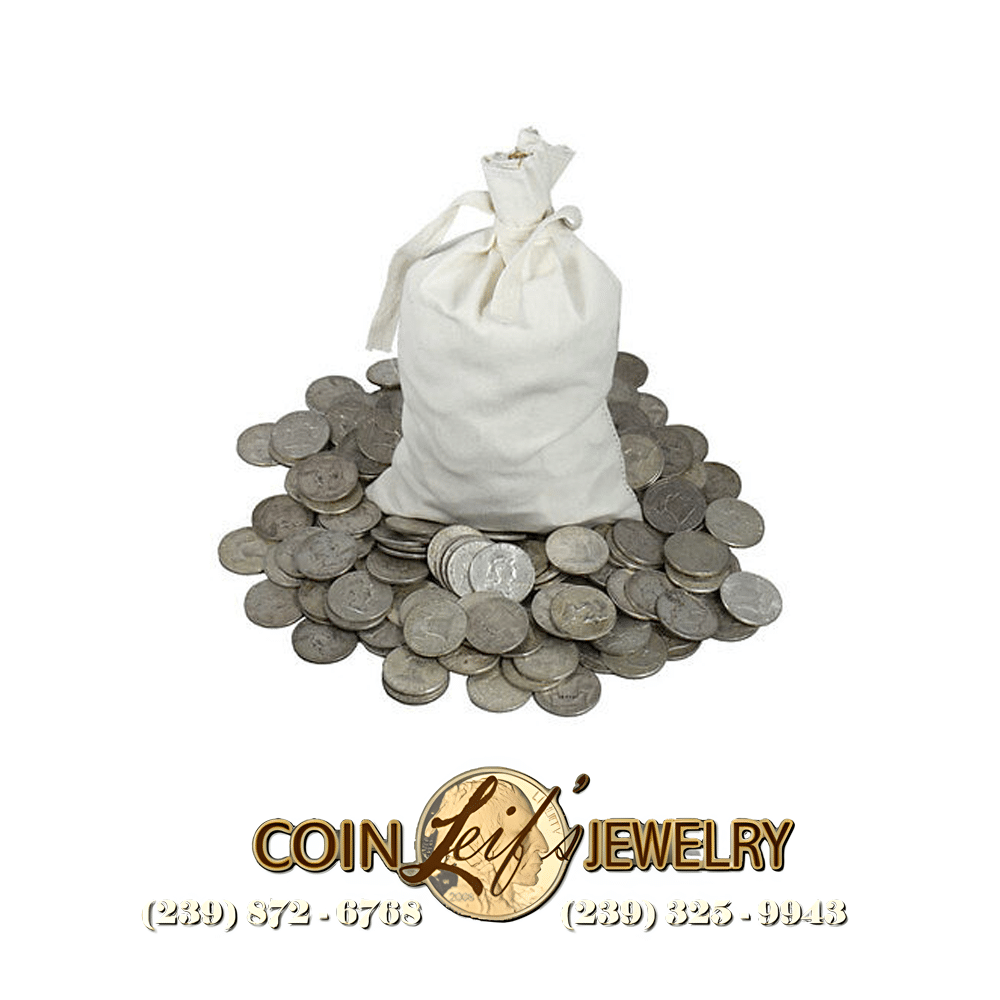
The term “junk silver” may sound like these coins have little value, but that is not what the term means. In the precious-metals market, “junk silver” generally describes common older U.S. silver coins whose primary value comes from their silver content rather than significant rarity or collector premiums.
Many of these coins contain 90% silver and 10% copper, making them an important part of American coinage history. Today, they remain popular with people interested in physical silver, while certain dates, mint marks, varieties, or high-grade examples can also have additional collector value.
So, why are these coins called junk silver, and what makes their silver content important?
What Is Junk Silver?
“Junk silver” is a common market term for older U.S. silver coins that are valued mainly for their precious-metal content. The term does not mean the coins are worthless or damaged. Instead, it generally refers to common circulated coins with limited numismatic premiums.
Common examples include:
- Silver dimes
- Silver quarters
- Silver half dollars
- Other common U.S. silver coins traded primarily for their metal content
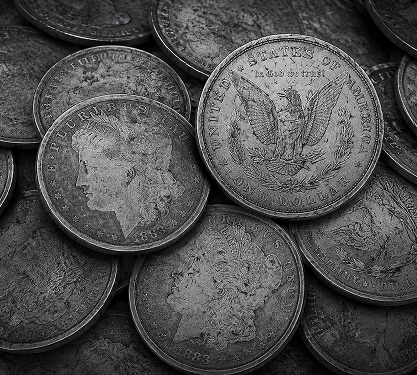
Morgan and Peace silver dollars contain 90% silver, but they are generally treated separately from typical junk-silver lots because many examples carry additional numismatic premiums.
Leif’s Coins offers 90% junk-silver coins in different face-value lots, with the selection consisting of random circulated U.S. coins. Its current product information describes common 90% silver dimes, quarters, and half dollars as part of these lots.
Why Is 1964 an Important Cutoff?
1964 was the last year used on regular-issue U.S. circulating dimes, quarters, and half dollars made with 90% silver. In 1965, the Coinage Act changed the composition of circulating dimes and quarters to copper-nickel clad and reduced the silver content of half dollars to 40%.
The change followed a period of rising silver prices and a growing shortage of the metal. The U.S. Mint’s 1965 announcement explains that the Coinage Act of 1965 removed silver from circulating dimes and quarters and reduced the amount of silver in half dollars.
As a result, 1964 and earlier dimes, quarters, and half dollars are commonly associated with the 90% silver category. However, the date alone does not prove that a coin is 90% silver. The denomination and specific coin type also matter.
What Does “Junk” Mean?
The word “junk” refers to the coin’s limited numismatic premium, not to the value of its metal. A common circulated silver dime may not be rare enough to command a large collector premium, so its primary market value may come from the silver it contains.
The term helps distinguish these common silver coins from rare or highly collectible pieces. That means a coin can be described as junk silver while still containing valuable precious metal and having a market value well above its face value.
Which U.S. Coins Are 90% Silver?
Several familiar U.S. coin designs were produced with a 90% silver composition before the 1965 change.
| Coin | Common 90% Silver Issues |
| Mercury Dime | 1916–1945 |
| Roosevelt Dime | 1946–1964 |
| Washington Quarter | 1932–1964 |
| Walking Liberty Half Dollar | 1916–1947 |
| Franklin Half Dollar | 1948–1963 |
| Kennedy Half Dollar | 1964 |
Older designs such as Barber and Seated Liberty coins can also contain 90% silver. The exact composition depends on the coin type and date. Leif’s Coins’ current 90% silver listings also include historical designs such as Seated Liberty, Barber, Mercury, Roosevelt, Walking Liberty, Franklin, and Kennedy issues.
What About War Nickels?
War Nickels are a separate category of U.S. silver coins. Not every 1942 Jefferson Nickel is a silver War Nickel. Jefferson Nickels dated 1942–1945 with the large mint mark above Monticello were made using a 35% silver composition.
The U.S. Mint’s nickel history explains that the mint mark was moved above Monticello during World War II to identify the new metal composition. Because War Nickels contain 35% silver rather than 90%, they should not be included when calculating the silver content of a typical 90% silver dime, quarter, or half-dollar lot.
What About 40% Silver Kennedy Half Dollars?
Kennedy Half Dollars dated 1965–1970 belong to a different silver category. They contain 40% silver rather than the 90% composition used for the 1964 issue. The U.S. Mint’s historical record confirms that the new Kennedy half dollar authorized under the Coinage Act of 1965 contained 40% silver, compared with the traditional 90% silver half dollar.
How Much Silver Is in Junk Silver Coins?
Common 90% silver dimes, quarters, and half dollars contain approximately 90% silver and 10% copper by composition.
Their approximate silver content is:
- Dime: 0.0723 troy oz of silver
- Quarter: 0.1808 troy oz
- Half dollar: 0.3617 troy oz
- $1 face value: approximately 0.715 troy oz in circulated coins
Because circulation causes normal wear, dealers commonly use approximately 0.715 troy ounces per $1 face value when estimating the silver content of circulated 90% silver lots. Leif’s Coins uses the same 0.715 troy-ounce figure for its circulated $1 face-value 90% silver listing.
Face Value vs. Silver Value
A silver quarter still has a 25-cent face value, but its silver content can make its market value considerably higher. This is why junk silver is often sold according to face value rather than simply by the number of coins.
For example, a $10 face-value lot contains ten dollars of original U.S. coinage by denomination, while its silver content provides the basis for estimating its precious-metal value. Leif’s Coins offers 90% silver in different face-value quantities, including $1, $10, $100, $500, and $1,000 lots.
A Simple $10 Face-Value Example
For a circulated $10 face-value lot of common 90% silver dimes, quarters, and half dollars, the commonly used estimate is:
$10 × 0.715 = approximately 7.15 troy ounces of silver
To estimate the melt value, multiply the approximate 7.15 troy ounces by the current silver spot price.
For example, if silver were trading at $30 per troy ounce:
7.15 × $30 = $214.50
This is only an example, not a current market quote or guaranteed selling price. Actual value can vary because coins have different amounts of wear, and dealers may price lots above or below their estimated melt value based on current market conditions.
This calculation applies to common 90% silver dimes, quarters, and half dollars. It should not be used for War Nickels, 40% Kennedy Half Dollars, or silver dollars, which have different compositions or pricing considerations.
Why Do People Choose Junk Silver?
Junk silver has several practical characteristics that make it different from larger silver bars or modern bullion coins.
Small, Divisible Denominations
Dimes, quarters, and half dollars contain smaller amounts of silver, allowing buyers to hold silver in smaller units.
Recognizable U.S. Coinage
These are genuine U.S. coins with familiar designs and a long history of circulation.
Straightforward Silver-Content Estimates
Common 90% silver coins can be grouped and estimated by face value, making it relatively straightforward to calculate their approximate silver content.
Historical Appeal
These coins represent an era when silver was part of everyday U.S. circulating coinage.
How to Identify 90% Silver Coins
If you find an older U.S. coin, check several details before assuming it is 90% silver:
- Date: For common 90% silver dimes, quarters, and half dollars, look for 1964 or earlier.
- Denomination: Not every older U.S. coin contains silver.
- Coin type: Identify whether it is a Mercury, Roosevelt, Washington, Walking Liberty, Franklin, Kennedy, or another silver issue.
- Mint mark: A scarce mint mark can sometimes indicate additional collector value.
- Condition: A high-grade or unusually well-preserved coin may be worth more than its metal value.
For War Nickels, check the large mint mark above Monticello rather than relying only on the date. An edge photograph can sometimes provide another visual clue when identifying a silver coin, but an edge or sound test should not be treated as proof of authenticity.
Avoid dropping or otherwise handling a potentially collectible coin roughly just to perform a test. If a coin appears unusual or potentially collectible, have it evaluated rather than automatically treating it as bullion.
Junk Silver vs. Collectible Silver Coins
Not every old silver coin should be valued only for its metal. A common circulated coin may trade primarily based on its silver content. However, a coin with a rare date, scarce mint mark, unusual variety, or exceptional condition may be worth significantly more to collectors.
This distinction matters when buying or selling older U.S. coins. A coin that appears to be ordinary junk silver may deserve a closer look before being valued only for its melt content.
Should You Clean Old Silver Coins?
It is generally best to avoid cleaning old coins. Polishing, chemicals, or abrasive materials can damage the coin’s original surface. If a coin turns out to have collectible value, cleaning may reduce its appeal to collectors.
When in doubt, leave the coin as it is and have it evaluated before attempting to improve its appearance.
What to Consider Before Buying or Selling Junk Silver
Before buying or selling a collection, look beyond the number of coins.
Consider:
- Silver purity and approximate silver weight
- Face value of the lot
- Coin dates and types
- Condition
- Possible rare or collectible pieces
- Current silver market conditions
For larger collections, separating potentially collectible coins from common circulated pieces can help ensure that valuable numismatic items are not overlooked.
For collectors and sellers in Naples and Southwest Florida, understanding the difference between 90% silver, 40% silver, War Nickels, and collectible coins can be especially useful when evaluating older U.S. coinage.
FAQs
Does “junk silver” mean the coins are worthless?
No. “Junk silver” generally refers to coins whose primary market value comes from their silver content rather than significant rarity or collector premiums.
Are all 1964 and earlier U.S. coins 90% silver?
No. The 90% category mainly includes specific U.S. dimes, quarters, and half dollars. Other coins from the same period may have different compositions.
Are War Nickels considered 90% silver?
No. Jefferson War Nickels dated 1942–1945 with the large mint mark above Monticello contain 35% silver. They are a separate category from common 90% silver coins.
How much silver is in $1 face value of junk silver?
Circulated 90% silver dimes, quarters, and half dollars are commonly estimated at approximately 0.715 troy ounces of silver per $1 face value. This is an estimate that accounts for normal circulation wear.
Can a junk silver coin be worth more than its silver value?
Yes. Rare dates, mint marks, varieties, or high-grade examples can have additional collector value beyond their silver content.
Why 90% Silver Coins Still Matter
Pre-1965 U.S. silver coins represent an important part of American monetary history while also containing substantial precious-metal value. Their familiar designs, small denominations, and consistent 90% silver composition help explain why they remain popular with buyers and collectors.
Understanding the difference between silver value and collector value is important when buying or selling older U.S. coins. A common circulated coin may be valued mainly for its silver, while a scarce or unusual example may deserve a closer numismatic evaluation.
Looking to buy or sell 90% silver coins? Browse Leif’s Coins’ 90% junk-silver collection to see available face-value lots. If you have older U.S. silver coins to sell, contact Leif’s Coins or call 239-872-6768, Monday–Friday, 9 a.m.–5 p.m. Leif’s Coins is located in Naples, Florida, and has served the area since 2008.