My Account





Gold prices can fall even when central banks continue buying because official-sector purchases are only one source of demand. Changes in interest-rate expectations, the US dollar, and investor positioning can outweigh that support over shorter periods.
Central banks generally buy gold as part of their long-term reserve strategies. Other market participants may respond more quickly to economic news, interest rates, and daily price movements. This difference helps explain why gold prices can decline while central banks continue adding gold to their reserves.
What Can Push Gold Prices Lower?
Several market factors can put downward pressure on gold prices, even when central banks are buying. The main influences include interest rates, currency movements, investor activity, and changes in physical demand.
Higher Interest Rates and Bond Yields
Gold does not pay interest or dividends. When government bond yields rise, interest-bearing investments may become more attractive to investors.
This increases the opportunity cost of holding gold. For example, an investor comparing gold with government bonds may prefer bonds when they offer more attractive returns. Some investors may then reduce their gold holdings or move money into other assets.
Expectations about future interest rates also matter. If markets expect the Federal Reserve to keep rates higher for longer or increase them, gold can face pressure before the central bank announces a decision. Investors often adjust their positions based on expected changes in monetary policy.
A Stronger US Dollar
Gold is generally priced in US dollars, so changes in the dollar’s value can influence international demand.
When the dollar strengthens against other currencies, gold becomes more expensive for buyers using those currencies. This can make purchases less affordable and reduce demand in some international markets.
A stronger dollar can also reflect expectations about US interest rates and economic conditions. When investors expect higher US yields, they may favor dollar-based assets, adding further pressure on gold.
However, the relationship between gold and the dollar is not always direct. Inflation concerns, geopolitical risks, and investment demand can also influence prices.
Investor Selling and Profit-Taking
Large investors, funds, and traders can influence gold prices through their buying and selling decisions. Some sell to secure profits after a period of price increases, while others reduce their holdings when market conditions change.
Selling can also happen when investors need cash to cover losses in other investments or reduce portfolio risk. This may create additional selling pressure across financial markets, including gold.
Futures trading can contribute to short-term price movements as well. Traders may close existing positions or take new positions based on their expectations for future prices. These changes can add to market volatility, but they do not necessarily mean that long-term interest in gold has disappeared.
Changes in Physical Gold Demand
Demand for physical gold also affects the market. Individuals buy bars and coins for investment, while jewelry purchases are influenced by prices, affordability, and consumer preferences.
When gold prices remain high, some buyers may delay purchases. This can reduce demand for physical gold and remove one source of support from the market.
Weaker physical demand does not automatically cause prices to fall. However, it can contribute to downward pressure when other parts of the market are also experiencing selling.
Why Doesn’t Central Bank Buying Prevent a Price Decline?
Central banks are significant gold buyers, but they do not control the entire market. Gold prices also respond to investment funds, futures trading, individual buyers, jewelry demand, and wider financial conditions.
Central banks generally purchase gold for long-term reserve management. Their decisions may reflect diversification, financial stability, and risk management rather than expectations of an immediate price increase.
The timing of buying and selling also matters. Central banks may add gold to their reserves over a longer period while other investors sell holdings or move money into interest-bearing assets. Official purchases can therefore support demand without being large enough to prevent a short-term price decline.
What Q3 2026 Gold Demand Data Shows
According to the World Gold Council’s Q3 2026 Gold Demand Trends report, different parts of the gold market experienced different levels of demand.
| Market indicator | Q3 2026 |
| Central banks and other official institutions | 321.2 tonnes |
| Physically backed gold ETFs | 211.2 tonnes of inflows |
| Global bar and coin demand | 267.8 tonnes |
| Global jewelry demand | 312.9 tonnes |
Central bank and official institution demand increased by 42% compared with Q3 2025. Physically backed gold ETFs also recorded inflows, while demand for bars, coins, and jewelry declined.
ETF inflows represent investors adding money to physically backed gold funds. They are not evidence of daily selling or buying in the futures market. Futures positions are a separate part of the market and can change independently.
These figures describe demand during July to September 2026. They should not be treated as measurements of daily price movements in November. Quarterly demand data provides a broader view of the market, while daily prices respond to changing financial conditions and investor decisions.
November 2026: A Historical Example of Gold Price Pressure
Gold’s movements in November 2026 provide an example of how financial market conditions can outweigh longer-term demand.
On November 16, spot gold reached an intraday low of approximately $3,831 per ounce, its lowest level since October 2025. Reuters reported that high Treasury yields, a stronger US dollar, and expectations of tighter monetary policy were weighing on the metal.
On November 17, spot gold was reported at $3,858.19 per ounce at 10:08 a.m. Eastern Time (15:08 GMT), according to Reuters reporting published by Kitco. The price remained close to the previous session’s low as the US dollar and Treasury yields continued to put pressure on demand.
These were intraday market observations, not closing prices. They illustrate how quickly gold can move in response to interest-rate expectations, currency movements, and investor sentiment.
The November price movements do not contradict the World Gold Council’s Q3 demand figures. The report covers activity during the third quarter, while the Reuters reports describe market conditions in November. They measure different periods and should be understood separately.
For further details, see Reuters’ November 16 report on gold’s decline and its November 17 market update, published by Kitco.
What Falling Gold Prices Mean for Gold Coin Buyers
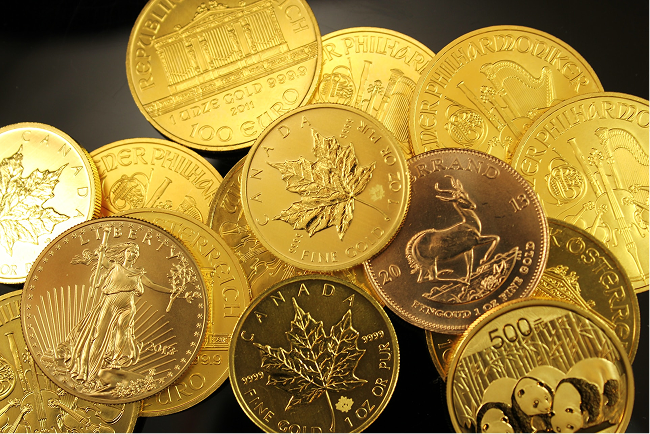
A decline in the gold market can affect gold coins, but the impact depends on the type of coin. Bullion coins and rare collectible coins are valued differently, so a fall in the spot price does not affect every coin in the same way.
Bullion coins are valued mainly for their gold content and the current market price of gold. When the spot price falls, their underlying metal value generally falls as well. Dealer premiums, availability, and buyer demand can also influence the price.
Collectors interested in physical gold can explore gold coins and bullion available from Leif’s Coins.
Rare gold coins have additional value beyond their precious metal content. Rarity, condition, historical significance, mintage, and collector demand can all influence what buyers are willing to pay. A collectible coin may therefore respond differently to market changes than a standard bullion coin.
This does not mean rare gold coins are protected from falling prices. Their market values can also change as collector demand and wider economic conditions shift. However, assessing them only by their gold content can overlook important numismatic factors. Learn more about the factors that affect rare coin values.
FAQs
Can gold prices fall when central banks are buying gold?
Yes. Central bank purchases support demand, but interest rates, the US dollar, investor selling, and changes in physical demand can still push gold prices lower.
Does a stronger US dollar affect gold prices?
Yes. A stronger dollar can make gold more expensive for buyers using other currencies, potentially reducing international demand and putting pressure on prices.
How do interest rates influence gold prices?
Higher interest rates and bond yields can make interest-bearing investments more attractive than gold, which does not generate regular income. This can reduce investment demand for gold.
Does a falling gold price reduce the value of rare gold coins?
It can affect a coin’s underlying metal value. However, rare coins also have numismatic value based on factors such as rarity, condition, historical importance, and collector demand.
Why do central banks keep buying gold when prices are falling?
Central banks generally buy gold as part of long-term reserve strategies. Their decisions are often based on diversification and risk management rather than short-term price movements.
What Gold Buyers Should Understand About Market Declines
Gold prices are influenced by more than central bank purchases. Interest rates, currency movements, investor decisions, and physical demand all contribute to market direction. Central bank buying can support the market, but it cannot prevent every short-term decline.
For buyers and collectors, the distinction between bullion value and numismatic value is important. A change in the spot price affects the metal value of a gold coin, while its collectible value also depends on rarity, condition, historical significance, and demand.
Individuals considering selling gold coins can review the types of gold and coin items Leif’s Coins buys to see whether their items may be relevant.