My Account



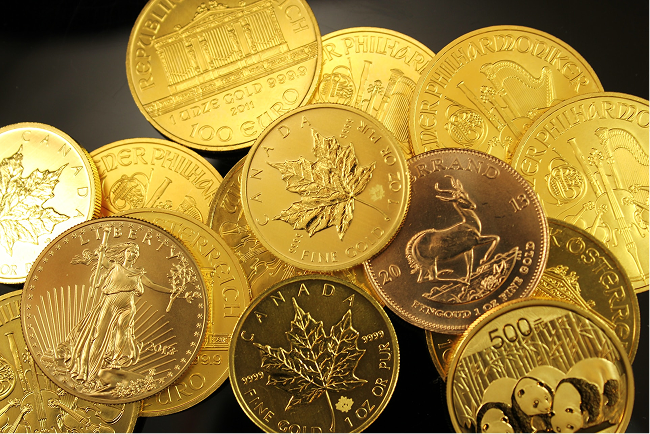
Some rare Lincoln pennies have sold for thousands of dollars at auction, while exceptional error coins have reached six-figure prices. Their value depends on factors such as rarity, minting errors, condition, collector demand, and authentication. Knowing which pennies have achieved strong auction results can help collectors understand what makes certain coins valuable.
Leif’s Coins helps collectors explore the rare-coin market and understand the factors that influence collectible coin values. Recent auction records offer useful examples, but it is important to remember that a sale price for one coin does not automatically establish the value of another example with a different grade or condition.
Rare Pennies That Have Recently Sold for Thousands of Dollars
Several Lincoln cents have attracted significant collector interest at major auctions. The following examples show how rarity, minting errors, and preservation can influence the prices buyers are willing to pay.
1943-S Bronze Lincoln Cent — $456,000
Most Lincoln cents produced in 1943 were struck on steel planchets because copper was needed for wartime production. A small number of bronze cents were struck in error, making authenticated examples highly desirable among collectors.
A 1943-S bronze Lincoln cent graded AU55 by PCGS, with CAC approval, sold for $456,000 through Stack’s Bowers in March 2026. This result demonstrates how a rare minting error can command substantial attention in the collectible coin market.
Because valuable 1943 bronze cents can be difficult to authenticate, collectors should seek professional evaluation before assuming that a brown or copper-coloured 1943 penny is a genuine error coin.
1955 Doubled Die Lincoln Cent — $18,300
The 1955 Doubled Die Lincoln cent is one of the best-known U.S. coin varieties. Its distinctive doubling is visible in parts of the date and lettering on the obverse, making genuine examples recognisable to collectors.
Heritage Auctions sold a 1955 Doubled Die Obverse cent graded MS64 Red by PCGS for $18,300 on May 1, 2026. The result illustrates the demand for a recognised variety in a certified grade.
Collectors should distinguish genuine doubled-die varieties from ordinary coins with minor doubling caused by other minting or production factors. Authentication and accurate identification are essential when estimating a coin’s potential value.
1909-S VDB Lincoln Cent — $7,015
The 1909-S VDB Lincoln cent is a key date in the Lincoln cent series. Its limited mintage, San Francisco mintmark, and designer Victor David Brenner’s initials on the reverse make it especially interesting to collectors. The coin also holds an important place in the history of the Lincoln cent, first introduced in 1909. Readers can explore the history of the U.S. penny for additional background.
A 1909-S VDB cent graded MS65 Red and Brown by PCGS, with CAC approval, realised $7,015 at Heritage Auctions on March 28, 2026. Other examples in different conditions have sold for different amounts, showing why the grade and surface colour should always be considered when comparing prices.
The 1909-S VDB is a useful example of how a coin’s date, mintmark, historical significance, and condition can combine to influence collector demand.
1944 Steel Lincoln Cent — $168,000
The 1944 steel cent is another rare minting error connected to the changes in coin production during the Second World War. Although steel was used for most 1943 cents, a small number of 1944 cents were struck on steel planchets instead of the expected copper-based composition. The American Numismatic Association provides additional historical background on these unusual coins in its exhibit on 1943 and 1944 cents.
Heritage Auctions sold a 1944 cent struck on a zinc-coated steel planchet, graded MS64 by PCGS, for $168,000 on January 16, 2025. This result highlights the importance of verifying unusual coin compositions. A coin that appears silver-coloured is not automatically a rare steel cent; its authenticity and metal composition need to be examined carefully.
1969-S Doubled Die Lincoln Cent — $97,600
The 1969-S Doubled Die Obverse Lincoln cent is a scarce variety known for prominent doubling on the obverse lettering and date. Its rarity and history have made authenticated examples desirable to specialists.
On January 14, 2026, Heritage Auctions sold a 1969-S Doubled Die Obverse cent graded MS64+ Red by PCGS and approved by CAC for $97,600.
This sale shows that a well-known minting variety can attract substantial interest even when it does not have an exceptionally high numerical grade. The variety’s authenticity, preservation, and market demand all matter.
What Makes a Rare Penny Valuable?
Not every old penny is rare, and age alone does not guarantee a high value. Collectors generally consider several factors when assessing a Lincoln cent.
Minting Errors and Recognised Varieties
Some pennies become valuable because of errors or unusual features created during production. Examples include genuine doubled-die varieties and coins struck on an incorrect planchet.
The type of error matters. A recognised, authenticated variety can attract strong demand, while common imperfections or post-mint damage may add little or no collectible value.
Date and Mintmark
The date and mintmark help identify where and when a penny was produced. Some issues had lower mintages or are harder to find in collectible condition, which can increase demand.
For example, the 1909-S VDB is sought after partly because of its low mintage and its place in the early history of the Lincoln cent series. However, a scarce date does not mean every example will sell for thousands of dollars.
Condition and Professional Grade
A penny’s condition can make a substantial difference to its market value. Wear, scratches, corrosion, cleaning, and other surface changes may affect collector interest.
Professional grading can help establish a coin’s condition and provide an assessment of authenticity. When comparing auction results, make sure the coins have similar grades and characteristics rather than relying on the date alone.
Collector Demand and Auction Competition
Auction prices reflect the interest of buyers competing for a particular coin at a specific time. A rare variety with strong collector demand may achieve a higher price than a more common coin in similar condition.
Demand can change, so a past auction result should be treated as a reference point—not a guaranteed selling price.
How to Check Whether Your Penny Could Be Valuable
If you have an unusual or older Lincoln cent, take a few practical steps before deciding what it may be worth.
- Check the date and mintmark. Record the year and look for a mintmark where applicable. Compare these details with reliable coin references.
- Look for recognised varieties. Examine the date, lettering, and design for features associated with documented doubled-die varieties or other known errors.
- Assess the condition. Look for wear, scratches, corrosion, discoloration, or signs of cleaning. Avoid cleaning or polishing the coin, as this can damage its collectible value.
- Compare similar auction sales. Use results for the same variety and a comparable grade. Check the sale date, grading service, and whether the reported price includes the buyer’s premium.
- Consider professional authentication. If the coin appears to be a scarce date or a possible minting error, an experienced coin professional can help determine whether further examination or third-party grading is appropriate.
A penny’s appearance alone is not enough to confirm that it is rare. Identification and condition should be established before making a valuation decision. For further research, the Smithsonian’s National Numismatic Collection offers a resource for exploring American coin history and numismatics.
Why Auction Prices Should Be Compared Carefully
Auction records can help collectors understand the market, but they need to be interpreted accurately. Two pennies with the same date may differ significantly in grade, colour designation, surface quality, authenticity, or variety.
For a meaningful comparison, check:
- The exact coin variety and mintmark
- The grading service and certified grade
- Any additional designations or authentication details
- The auction house and date of sale
- Whether the recorded amount includes the buyer’s premium
For example, the prices achieved by the 1955 Doubled Die and 1969-S Doubled Die cents should not be applied to ordinary pennies from those years. The results relate to specific, recognised varieties in particular certified conditions.
A reliable estimate should consider the individual coin and relevant comparable sales rather than relying on the highest price found online.
FAQs
Which pennies can be worth thousands of dollars?
Certain rare Lincoln cents can be worth thousands of dollars, including the 1909-S VDB, 1955 Doubled Die, 1943 bronze, 1944 steel, and 1969-S Doubled Die varieties. Value depends on authenticity, grade, rarity, and collector demand.
Is every 1943 copper-coloured penny valuable?
No. Colour alone does not establish that a 1943 penny is a genuine bronze error. The coin’s composition and authenticity must be verified by a qualified professional before its potential value can be assessed.
Does a penny’s condition affect its value?
Yes. Wear, surface damage, corrosion, cleaning, and other condition issues can affect a coin’s desirability. Certified grades can help collectors compare similar examples more accurately.
How can I find out what my rare penny is worth?
Start by identifying the date, mintmark, and possible variety. Then compare recent sales of similar authenticated coins in comparable grades. If the penny appears unusual or potentially valuable, seek a professional assessment.
Should I use one auction result to price my penny?
No. A single sale may reflect a coin’s exceptional grade, rarity, or strong competition among bidders. Use multiple comparable results where possible and consider the condition and authenticity of your own coin.
Rare Pennies That Made Auction History
Rare pennies can achieve remarkable auction prices when their rarity, minting errors, condition, and collector demand come together. Coins such as the 1943-S bronze cent and the 1955 Doubled Die Lincoln cent show how specific features can make certain pennies highly desirable.
Reviewing verified auction results helps collectors understand what influences a coin’s market value and why accurate identification matters. Explore recent rare-coin auction results to better understand the factors behind valuable pennies.
Discover rare coin opportunities and get expert guidance from Leif’s Coins on collectible coins and their market value.