My Account





Two coins can look similar but have very different values. A coin’s rarity, condition, date, mint mark, metal content, and collector demand can all affect what buyers are willing to pay. Even a small difference in condition or a scarce mint mark can create a major price difference between otherwise similar coins.
Understanding these factors is important whether you are collecting coins, buying rare pieces, or preparing a collection for sale. At Leif’s Coins, coin evaluations consider both precious-metal value and the characteristics that can give collectible coins additional market value.
1. Rarity and Surviving Supply
Rarity is one of the biggest factors that can make a coin valuable. A coin may have had a relatively large original mintage but still be difficult to find today if few examples survived in collectible condition.
The 1913 Liberty Head Nickel is an extreme example. Only five known examples exist, making it one of the most famous rarities in American numismatics. Its value comes from extremely limited supply, historical interest, and strong collector demand.
However, low mintage alone does not automatically make a coin valuable. Collectors also consider how many examples survive and how much demand exists for the issue.
Mintage vs. Actual Rarity
A low mintage does not always mean a coin is rare today. Thousands of examples may have survived in good condition, while a coin with a larger original mintage may be difficult to find in high grades.
For this reason, collectors consider both the original mintage and the surviving population when evaluating rarity.
2. Date and Mint Mark
The date tells you when a coin was produced, while the mint mark can identify the U.S. Mint facility that struck it. These details can make a major difference in value.
A well-known example is the 1916-D Mercury Dime. The Denver Mint produced only 264,000 examples in 1916, making it the lowest-mintage issue in the Mercury Dime series. By comparison, the Philadelphia Mint produced more than 22 million 1916 Mercury Dimes.
Documented auction results show how significant this difference can be. A 1916-D Mercury Dime graded MS64 Full Bands sold for $28,800, while a 1916 Philadelphia Mercury Dime with the same grade and designation sold for $186. These are individual auction results, not guaranteed values for every coin with the same date and grade.
The comparison shows why the mint mark should always be checked before assuming an older coin is common.
3. Condition and Coin Grade
Condition can have a major effect on a coin’s value, particularly when the coin is already scarce or highly collectible. Collectors generally look at wear, surface preservation, detail, and other characteristics when assessing condition. Professional grading services such as PCGS and NGC use standardized grading systems to describe a coin’s condition. A small difference in grade can sometimes produce a meaningful difference in market value.
For example, a documented auction comparison of the 1916-D Mercury Dime shows an MS64 Full Bands example selling for $28,800, compared with $25,200 for an MS63 Full Bands example. These results demonstrate the potential effect of grade while also showing why individual auction results should not be treated as fixed price guides.
4. Precious-Metal Content
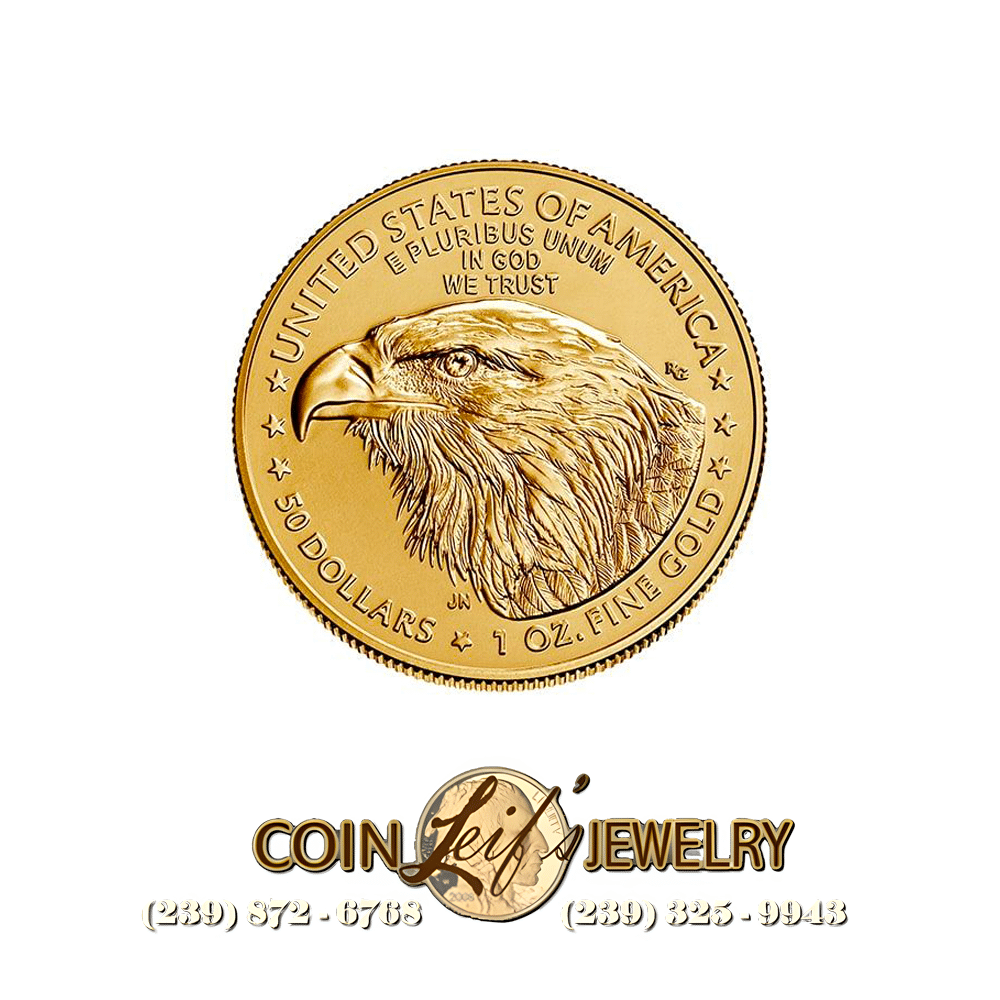
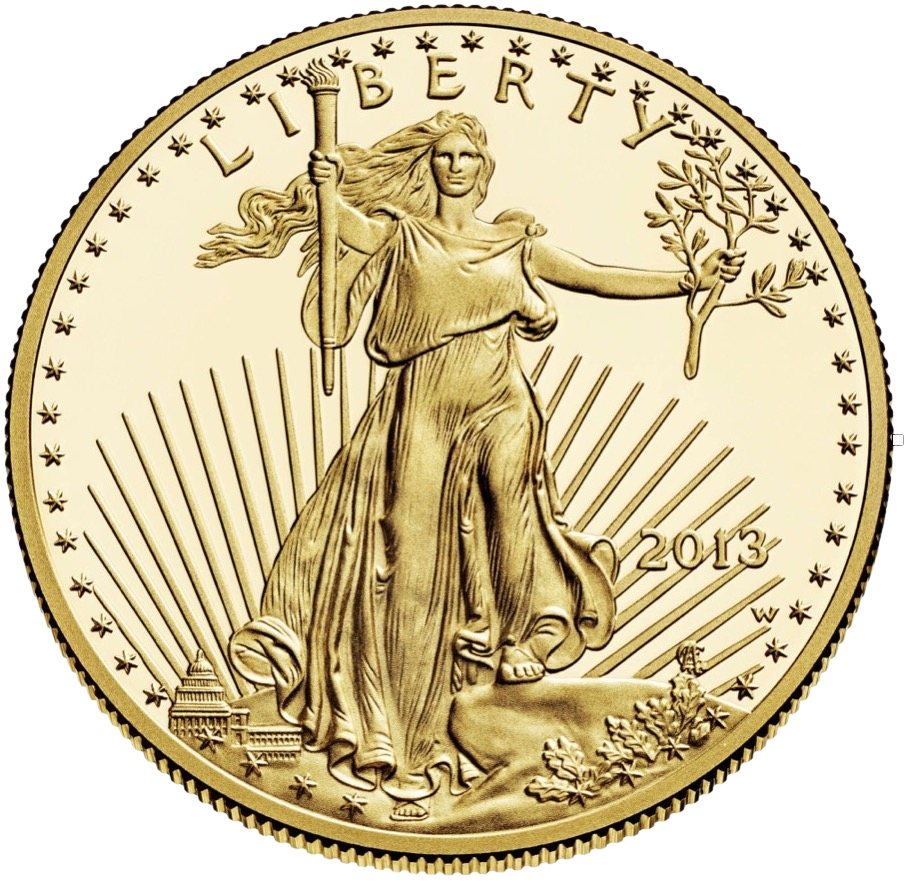
Some coins have value because of the gold, silver, platinum, or other precious metals they contain. For bullion coins, metal content can make up most of the coin’s market value. A 1-ounce American Gold Buffalo, for example, contains one troy ounce of .9999 fine gold. Its value therefore moves with the gold market, although certain issues may also carry collector premiums.
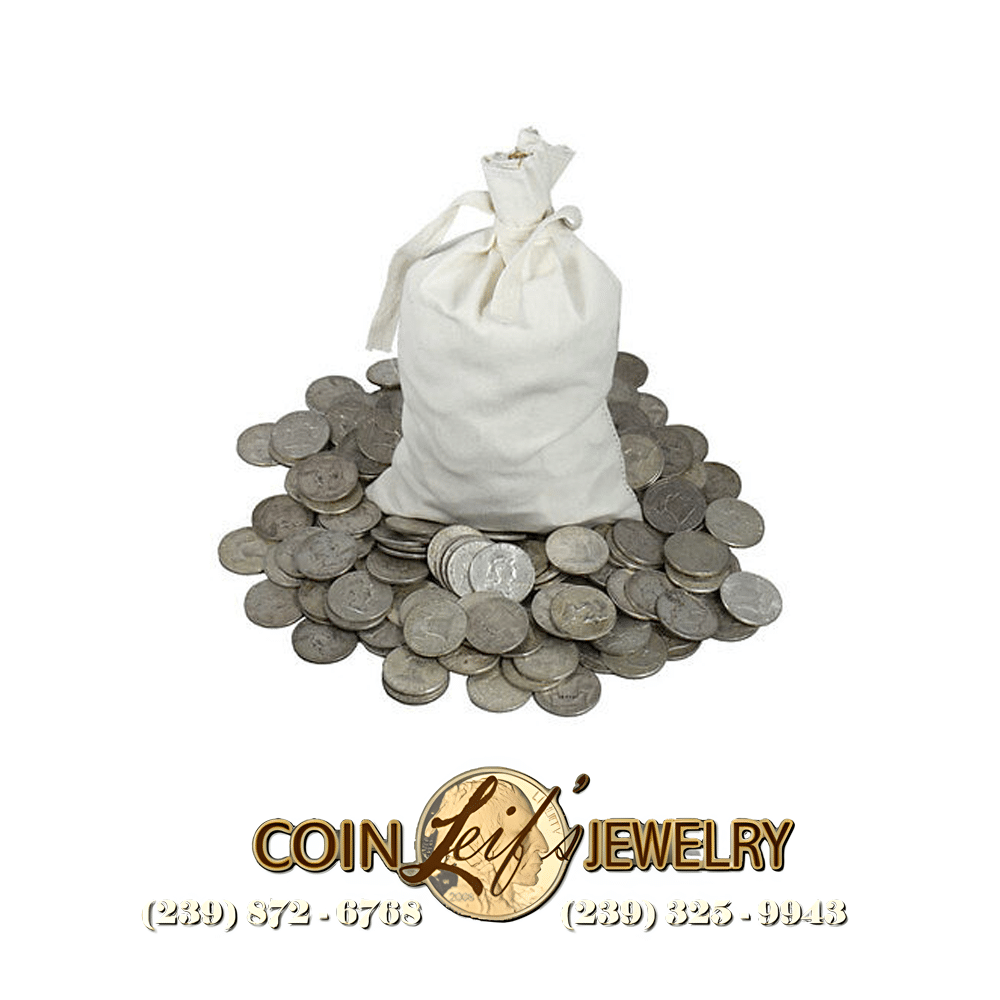
Silver coins can work in a similar way. Common U.S. 90% silver coins made before 1965 contain silver that gives them value beyond their face value. For collectible coins, however, metal content is only one part of the picture. Rarity, condition, historical significance, and collector demand can add substantial value beyond the melt value of the metal.
5. Historical Significance and Design
A coin can become desirable because of the history behind it or the design it carries. Coins connected to important periods, famous designers, major events, or changes in U.S. coinage can attract strong collector interest. The 1907 Saint-Gaudens Double Eagle is a good example.
Its Liberty design by Augustus Saint-Gaudens is widely regarded as an important design in American coinage. Its historical importance and artistic appeal contribute to its collector interest beyond the value of its gold content. Design can also matter when a particular issue has a distinctive variety or limited production history.
6. Errors, Varieties, and Special Issues
Mint errors and die varieties can both attract collectors, but they are different.
Mint Errors vs. Die Varieties
A mint error occurs when something goes wrong during the manufacturing or striking process. An off-center strike, for example, can leave part of a coin’s design missing or misaligned.
A doubled die is a die variety. The doubling is created on the die and transferred to the coins struck from it. The 1955 Doubled Die Lincoln Cent is one of the best-known examples, with prominent doubling in the date and lettering.
Why They Can Add Value
Recognized errors and varieties can command significant premiums. For example, a 1955 Doubled Die Lincoln Cent graded MS65 Red sold for $90,000, compared with $10 for an ordinary 1955 Lincoln Cent. These are historical sales of specific coins, not guaranteed current values.
Proof coins, limited releases, and other special issues may also attract collector premiums. However, an unusual-looking coin is not automatically valuable. Authenticity, attribution, condition, rarity, and collector demand all matter.
7. Collector Demand and Market Conditions
Rarity does not determine value by itself. A coin also needs buyers who want it. Collector demand can change with the popularity of a series, current collecting trends, the availability of examples, and broader market conditions.
Precious-metal prices can also influence coins made from gold or silver. A gold coin may rise in value when the underlying gold price increases, while a rare numismatic coin may be affected more heavily by collector demand and condition.
This is why two coins with similar metal content can sell for very different amounts.
Real Examples of What Can Change a Coin’s Value
Documented Heritage Auctions results can help show how mint marks, condition, and recognized varieties affect value. Heritage’s posted “sold for” figures include the buyer’s premium, so the amounts below are the total price paid by the buyer, not the hammer price. The examples below represent historical sales of specific coins, not guaranteed current prices, and grading service and sale date can also vary between the coins compared.
| Exact Coin | Reported Result | Sale Date / Source |
| 1916-D Mercury dime, PCGS MS64 Full Bands | $28,800 | 3 April 2025 Heritage lot 3033 |
| 1916 Philadelphia Mercury dime, NGC MS64 Full Bands | $186 | 2 September 2025 · Heritage lot 21171 |
| 1916-D Mercury dime, PCGS MS63 Full Bands | $25,200 | 27 February 2025 · Heritage lot 3190 |
These are historical auction results for specific coins. They are not guaranteed current prices, and factors such as certification, eye appeal, buyer demand, and market conditions can cause similar coins to sell for different amounts.
What Should You Check Before Selling an Old Coin?
Before assuming an old coin is worth only its face value or metal content, check:
- Date and mint mark
- Condition and grade
- Coin type and recognized variety
- Precious-metal content
- Possible errors
- Rarity and surviving population
- Current collector demand
Avoid cleaning the coin before having it evaluated. Cleaning, polishing, or using chemicals can damage the original surface and may reduce the coin’s collector appeal.
If you have a group of older coins, separating potentially rare or collectible pieces from common bullion or circulated coins can also help ensure that valuable numismatic items are not overlooked.
Does Coin Grading Affect Value?
Yes. Grade can have a major effect on the value of collectible coins, especially when a small difference in preservation separates one market level from another.
Professional grading services such as PCGS and NGC can authenticate and grade eligible coins, giving buyers and sellers a standardized description of condition. However, grading is only one part of valuation. A high-grade common coin may still be worth less than a lower-grade example of a genuinely rare issue.
For more information, see our beginner’s guide to coin grading.
Why a Professional Evaluation Can Help
Determining a coin’s value is not always as simple as looking at its age or metal content. A date, mint mark, variety, error, or difference in condition can change what a coin is worth.
A professional evaluation can help identify characteristics that may not be obvious to a new collector. It can also help distinguish a common bullion or circulated coin from an item with additional numismatic value.
Leif’s Coins has served Naples since 2008 and evaluates rare coins, gold, silver, and other collectibles. The team considers factors such as precious-metal content, rarity, condition, and demand when evaluating coins for buying and selling.
FAQs
Does an older coin automatically have more value?
No. Age alone does not determine value. A common older coin may be worth less than a newer coin that is rare, in excellent condition, or highly sought after by collectors.
Does a mint mark make a coin more valuable?
It can. Certain mint marks identify coins that were produced in smaller quantities or are harder to find in collectible condition. The mint mark should be considered along with the date, condition, and overall rarity.
Can a coin be valuable because of an error or variety?
Yes. Genuine mint errors and recognized die varieties can be highly desirable, especially when they are rare and easily identifiable.
Does cleaning a coin increase its value?
Usually not. Cleaning can damage a coin’s original surface and may reduce its collector appeal. It is generally better to leave potentially valuable coins in their original condition until they can be evaluated.
How can I find out what my old coin is worth?
Start by identifying the coin’s date, mint mark, type, condition, and metal content. For coins that may be rare or valuable, a professional evaluation can provide a more reliable assessment.
Understanding What Really Makes a Coin Valuable
A coin’s value can depend on rarity, date, mint mark, condition, metal content, historical significance, and collector demand. Even a small detail, such as a scarce mint mark or recognized variety, can make a major difference.
Before selling an old coin, identify its key characteristics and leave potentially collectible pieces uncleaned. If you would like your coins evaluated, Leif’s Coins can help you understand your collection and explore your selling options.