Home > What Makes a Coin Valuable?
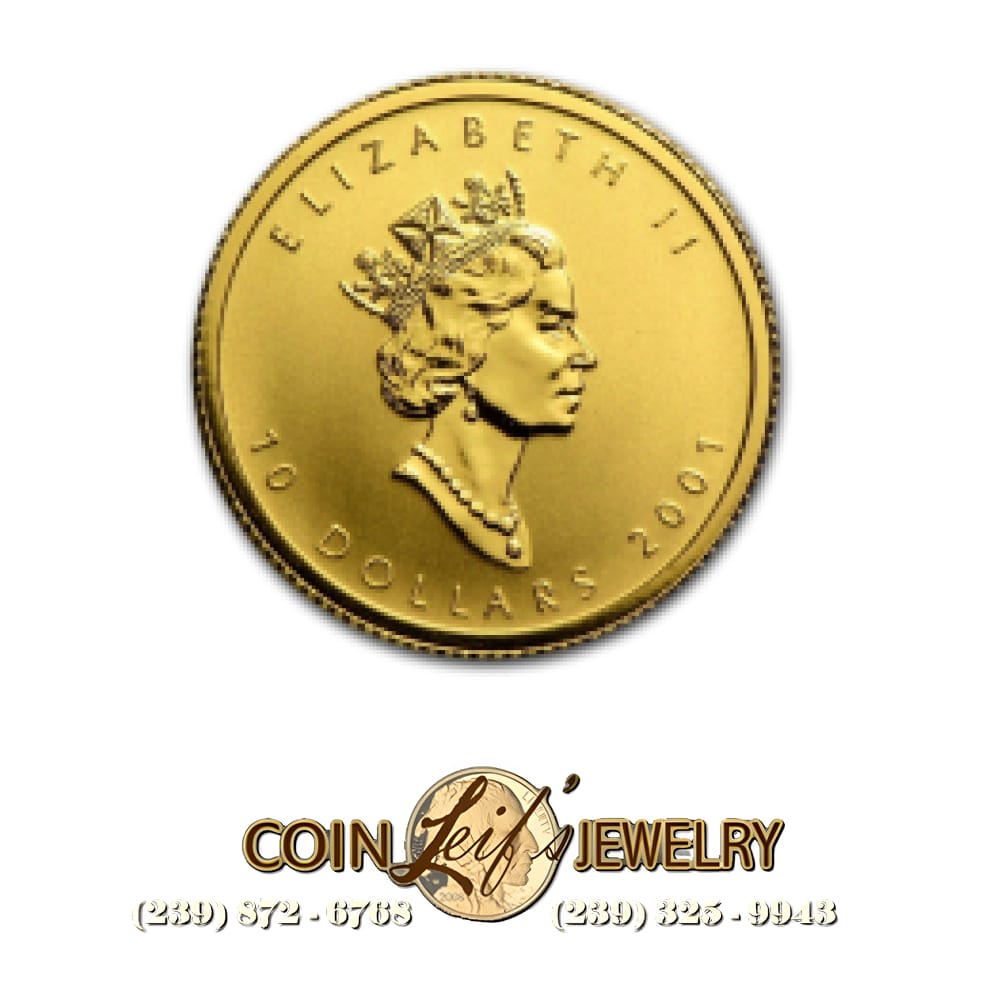
Some coins are worth just a few dollars, while others can fetch thousands or even millions. What makes a coin truly valuable? The answer lies in rarity, history, material, condition, and collector demand. Understanding these factors helps you make smart decisions whether you are buying, selling, or investing.
With decades of experience in rare coins and precious metals, Leif’s Coins, serving Naples, Florida since 2008, has built a trusted reputation for accurately evaluating and handling coins of every type and value.
A coin is more than metal; it’s a piece of history and sometimes an investment. Most coins are circular in shape and are made from different metals, including gold coins, silver coins, and other metal types. Its value comes from factors like rarity, age, design, and collector demand. Coins reflect the era they were made in and the events or people they commemorate, which makes each one unique.
Note: At Leif’s Coins, we track when coin values rise or fall in the market, giving collectors and investors accurate insights.
Coins vary greatly in worth, and understanding what drives their value is key for collectors, investors, and sellers. Below are the main factors that determine how much a coin is truly worth.
Rarity is one of the most important factors in determining a coin’s value. A rare coin is hard to find, either because few were made or few have survived.
If you want to know how to know if a coin is rare, check its mintage numbers, surviving population, and collector demand.
Coins with historical value often attract higher prices and collector interest. Coins tied to major events, famous figures, or significant eras can be highly sought after, even if they aren’t made of precious metals. Collectors often seek original coins or historical coin replicas to add meaning and value to their collections.
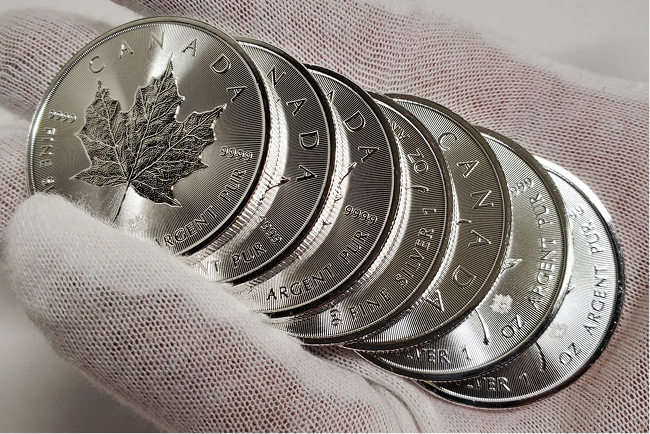
The metal content of a coin directly affects its value.
Investors often consider rare coins as an investment because they combine both metal value and collectible appeal.
Condition, also called the coin’s grade, is crucial for value.
Well-preserved coins usually command higher prices, especially for the most valuable US coins and other sought-after collectibles.
The design of a coin affects both its beauty and desirability.
Collectors often search for coins with the best challenge coin designs or unique design features when selecting numismatic items.
Demand from collectors and investors influences coin value significantly.
Even a rare coin can stay undervalued if there is low market demand, so popularity matters.
The number of coins produced affects scarcity and value.
Population estimates reveal how many coins still exist today.
Authenticity is essential in coin collecting.
Coins reflect the era in which they were made.
Coins can be both collectibles and investments.
Expert advice helps you get a fair and accurate coin valuation. Professional coin dealers and appraisers can verify authenticity, check condition, and estimate real market value. Both free and paid evaluations can give useful price insight before you buy or sell. With expert guidance, you reduce the risk of overpaying or undervaluing your coins.
Investing in coins is easier than you think. Focus on rare coins, precious metals like gold and silver, and historically significant pieces. Purchases over $200 include free delivery, making it simple to start your collection with confidence.
Start building your collection today with Leif’s Coins.
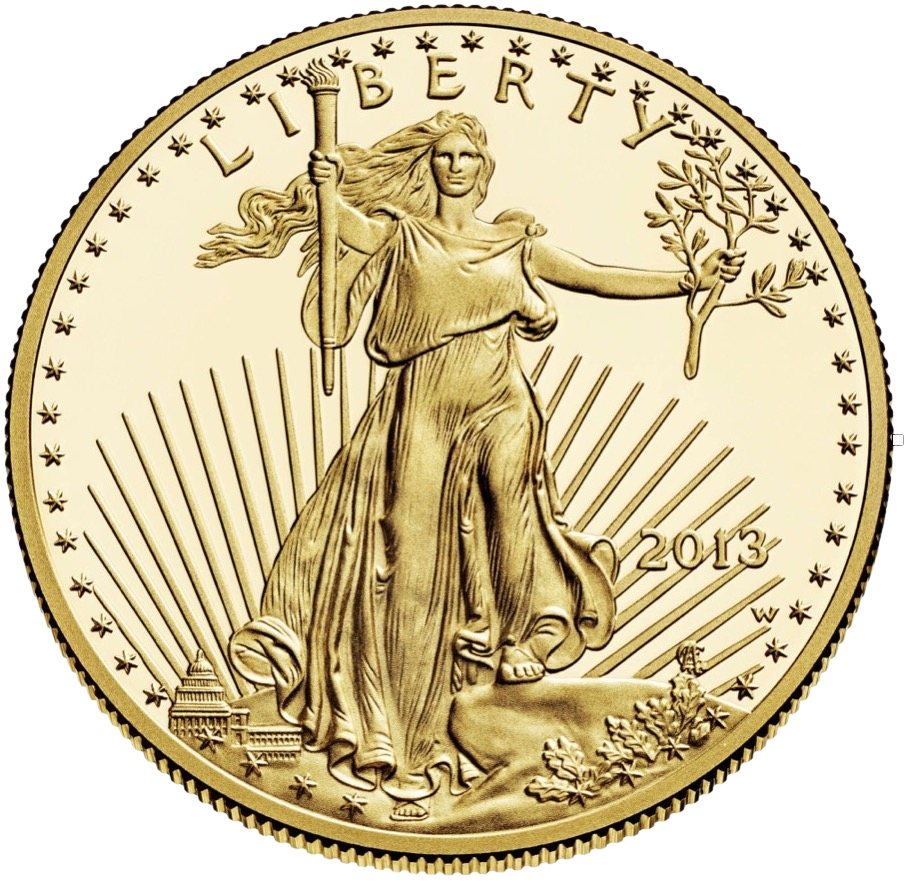
Buy Gold
Sell Silver
3 months ago
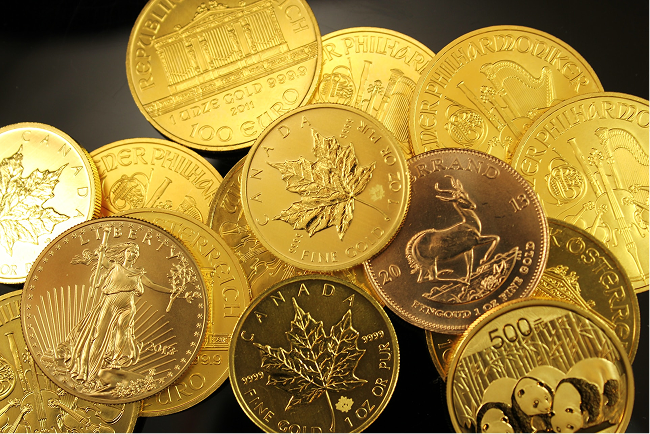
Buy Gold
Sell Silver
3 months ago