Home > What Is the Difference Between a Proof Coin and an Uncirculated Coin?
One coin can look shiny and perfect, yet still not be a proof coin. Another coin can look new, yet not be rare. Many buyers mix these two types and pay the wrong price. So you must understand the difference between proof coins and uncirculated coins before collecting or investing.
This guide explains each type in simple words, so buyers and collectors can choose with confidence, based on real market knowledge and hands-on experience from Leif’s Coins in Naples, Florida, serving collectors since 2008.
Many people think proof coins and uncirculated coins are the same. However, the mint makes them in different ways. As a result, their appearance, rarity, and price can change. When you know the difference, you avoid wrong purchases and poor investment choices. You also understand the value of proof coins and the value of uncirculated coins more clearly.
Many beginners ask, what is a proof coin? A proof coin is a specially made collector coin. The mint produces it with extra care and extra steps. Therefore, it shows very sharp detail and a mirror-like surface.
The proof coin definition is simple: a coin made with a special strike for collectors, not for circulation. Workers polish the dies and coin blanks first. Then the mint strikes the coin multiple times. Because of this method, the final coin looks very detailed and clean.
Many US proof coins come in special boxes and sets. These sets often attract serious collectors.
Uncirculated coins are regular mint coins that never enter daily use. They show no wear from pockets or machines. However, the mint makes them with the normal production method.
The mint creates uncirculated coins in large batches. Therefore, they look new but not mirror-like. They still have good quality, yet they do not get the special polish used for proof coins.
Buyers often purchase uncirculated coin sets or an uncirculated set to build date and mint collections.
First, workers clean and polish the blanks. Next, they polish the dies. After that, they feed coins carefully into the press. Then the mint strikes each coin more than once. As a result, details look sharp and deep. Finally, inspectors check each coin closely. Because of this slow process, proof coins cost more.
First, machines prepare standard blanks. Then, machines feed them into presses. Next, the mint strikes each coin once. After that, inspectors perform normal checks. Since the process runs fast, production numbers stay high, and costs stay lower.
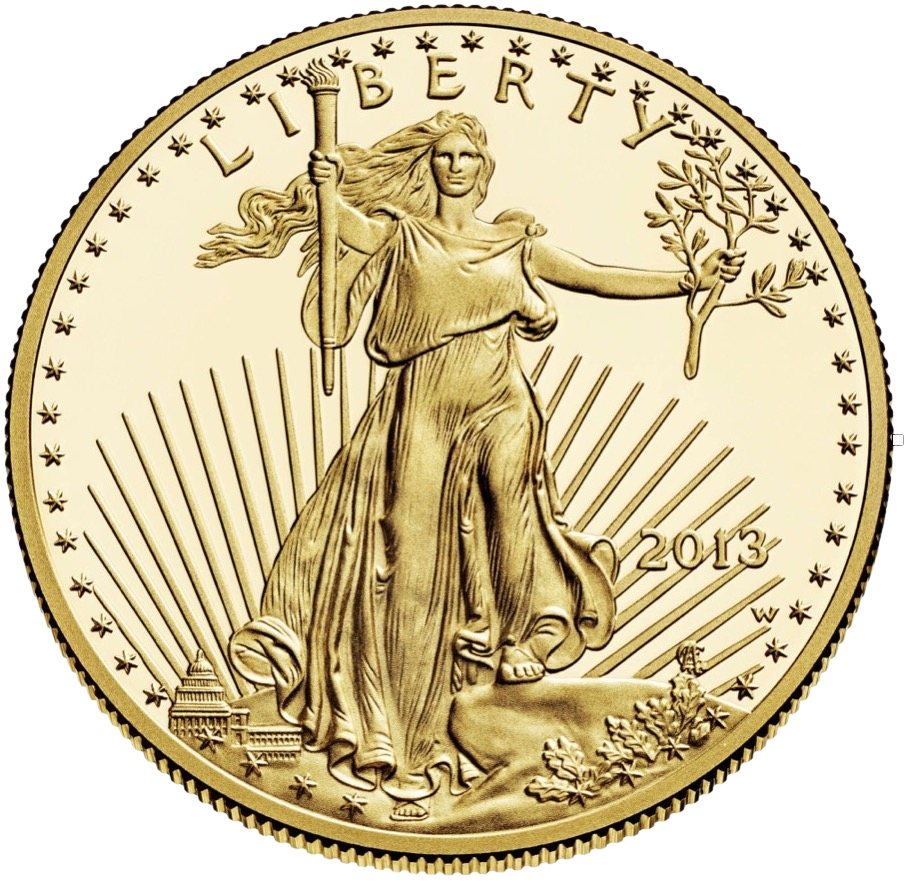
Proof coin surfaces look very different. They show a mirror background and frosted raised design. In contrast, uncirculated coins show a matte or satin finish.
Because of the special strike, proof coins show a strong contrast between the design and the field. Meanwhile, uncirculated coins show good detail but less contrast. Sometimes they also show small contact marks from handling.
Proof coins show deeper and sharper details. Letters and lines look crisp. Small features stand out clearly. When you tilt the coin under the light, the design pops out.
Uncirculated coins still look new. However, they look less dramatic. So collectors choose proof coins for beauty, while budget buyers choose uncirculated coins.
Proof coins usually come in capsules or display boxes. In many cases, proof sets include certificates. Therefore, they work well for display and gifts.
In contrast, uncirculated coin sets often come in rolls or flat packs. Their packaging stays simple and storage-focused. Because of that, they cost less than proof sets.
Proof coins usually have lower mint numbers. Therefore, collector interest often rises. Lower supply can increase proof sets’ worth over time.
Uncirculated coins usually have higher mint numbers. As a result, they are easier to find. However, rare dates can still raise the value of uncirculated coins.
Proof coins attract display collectors. Buyers prefer them for beauty and finish. Therefore, premium collectors often buy proof coin releases and full proof sets.
Uncirculated coins attract budget and set builders. Date-set collectors often choose an uncirculated coin set. Because prices stay lower, beginners often buy uncirculated coins first.
Demand type changes resale behavior in both markets.
Proof coins cost more at release. Extra minting work increases the price. Special packaging also adds cost. Therefore, proof sets usually start higher. Uncirculated coins cost less at the start. Because production runs faster, the entry cost stays lower. So beginners often start with uncirculated sets.
The worth depends strongly on collector demand. Limited editions may rise faster. Special theme sets also gain attention.
Uncirculated coins’ value often follows the metal price more closely. However, rare dates and low mint years can rise well. In both cases, condition still matters. Market trends also affect value-proof sets and uncirculated sets.
Proof coins fit display collections, gift buying, and premium collector sets. They also fit buyers who want beauty and presentation.
Uncirculated coins fit the budget, building, and bulk stacking. They also fit metal-value focus and date collections. Therefore, your goal should guide your choice.
Proof coins can lose value if you remove them from capsules. Fingerprints reduce the proof coins’ worth very fast. Therefore, careful handling matters.
Uncirculated coins can get bag marks from contact. Cleaning damages both types. Poor storage also reduces resale price. So safe storage protects value.
Both types come directly from the mint. Both show no circulation wear. Both can be collectible. Both can increase in value over time. Also, both require safe storage and proper handling.
Proof coins and uncirculated coins may look similar, but they have different minting methods, finishes, and prices. Proof coins suit display and premium collecting, while uncirculated coins suit budget buying and metal-focused investing. When you understand these differences, you can judge value more accurately and buy with confidence, especially with expert support from Leif’s Coins.
Buy Gold
Sell Silver
3 months ago