My Account





One small scratch can drop a coin’s value fast. One higher grade can raise the price a lot. Many coins look the same at first glance, but their market value can be very different. So buyers and collectors must understand coin grading before they buy or sell.
This guide explains what coin grading is, why it matters, and how it protects your money. Each section uses simple words and clear examples, so even a beginner can understand it easily.
Why Coin Grading Is Important?
Many coins look similar, yet their values can be far apart. A small difference in condition can change the price a lot. Therefore, the market needs a fair system to measure conditions.
Coin grading gives that system. As a result, buyers and sellers can agree on value more easily. Also, grading reduces guesswork and risk. Because of this, grading protects collectors from overpaying.
What Is Coin Grading?
Coin grading means judging a coin’s condition and surface quality. Experts check wear, marks, shine, and detail. Then they assign a grade number or label. That grade affects the market price directly. So when someone asks, “What is coin grading?”, the simple answer is this:
Coin grading is a standard method that experts use to measure a coin’s condition and assign it a value grade.
Because of grading, the market speaks one common language.
Why Coin Grading Exists
Coin grading exists to create clarity. Without grading, price arguments happen often. However, a shared grading scale reduces disputes.
As a result, auctions run more smoothly. Online sales become safer. Buyers trust listings more. Sellers justify prices more easily. Therefore, grading builds trust between strangers in the coin market.
Who Performs Professional Coin Grading
Professional third-party services perform trusted grading. These companies work independently, not as buyers or sellers. Therefore, their opinion carries more weight than a dealer-only grade.
Two major grading companies are:
- Professional Coin Grading Service
- Numismatic Guaranty Company
They examine coins, assign grades, and seal coins in protective holders called slabs. Because of this, the market accepts their grades widely.
The Main Factors Graders Check
Graders evaluate work by focusing on core factors like concept clarity, correctness, structure, and presentation
Surface Wear
Graders check how much design has worn away. First, they inspect high points. Then they compare low points. More wear means a lower grade.
Strike Quality
Graders study how clearly the design appears. A sharp strike shows strong detail. A weak strike shows flat areas. Therefore, a strike affects the grade.
Luster
Graders look for original mint shine. Strong luster shows better preservation. Also, a “cartwheel” light effect helps confirm originality.
Marks and Damage
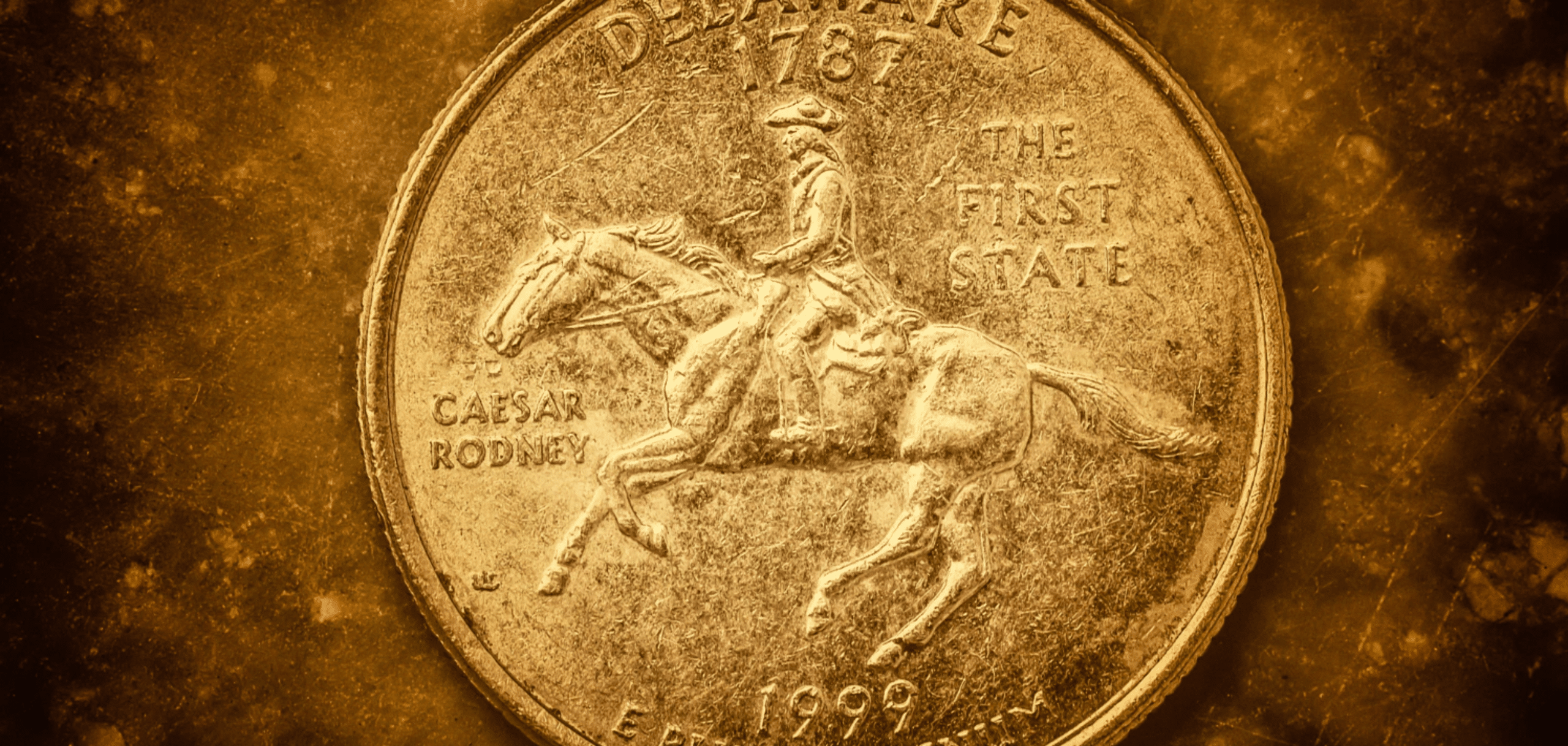
Graders check scratches, contact marks, and cleaning signs. Even small marks can lower the grade. So surface condition matters a lot.
Eye Appeal
Graders judge the overall visual look. Balanced color and toning help. Poor appearance hurts value. Therefore, eye appeal influences the final grade.
Understanding the Coin Grading Scale
The 1–70 Number Scale
Most graders use the Sheldon scale from 1 to 70.
- 1 = Poor condition
- 70 = Perfect mint state
Higher numbers mean better condition. So the price often rises with grade.
Major Grade Bands
Coins fall into main grade groups:
- Poor to Good
- Very Good to Fine
- Very Fine to Extremely Fine
- About Uncirculated (AU)
- Mint State (MS)
Each band shows a condition level. Therefore, buyers compare coins more easily.
Circulated vs Uncirculated Grades
Circulated coins show wear from use. Uncirculated coins show no wear from daily handling. However, uncirculated coins can still have small marks from mint storage.
AU means “About Uncirculated.” MS means “Mint State.” That line matters because prices often jump at Mint State grades.
Proof Coin Grading Differences
Proof coins use the same 1–70 scale. However, labels show PR or PF instead of MS. Proof grading focuses more on surface quality and mirror finish.
Graders check hairlines and haze very closely. Therefore, careful handling matters more with proof coins.
Mint State Grades Explained (MS60–MS70)
Mint State grades often confuse beginners. Yet the difference comes from marks, luster, and eye appeal.
- MS60: many marks, weak look
- MS63: average quality
- MS65: strong luster, fewer marks
- MS67: very clean surfaces
- MS70: perfect condition
MS70 coins are rare. Therefore, they often sell for premium prices.
How Coin Grading Affects Value
Grade affects value directly. Even a one-point change can shift the price a lot. Therefore, auctions depend heavily on grade.
Registry set collectors also chase higher grades. As a result, demand increases for top examples. Higher-grade coins also sell faster, thereby improving liquidity.
Raw Coins vs Graded Coins
A raw coin has no third-party grade. A graded coin comes sealed with certification. Raw coins cost less, yet risk stays higher.
Graded coins cost more, yet trust stays stronger. Therefore, beginners often choose graded coins first. Still, experts sometimes buy raw coins for deals.
Coin Slabs and Certification Labels
A slab is a sealed plastic holder. The label shows grade, date, mintmark, and serial number. Buyers can verify that number online.
Slabs add anti-counterfeit protection. Also, slabs help resale because buyers trust certified coins more.
Can You Grade Coins Yourself?
You can do a first rough grade of your coin at home by following a few basic inspection steps.
Basic Self-Grading Tips
You can estimate the grade yourself first. Use magnification. Check high points. Compare with grading photos. Use reference guides.
Limits of Self-Grading
Self-grading stays subjective. Therefore, market trust stays lower. Resale prices may drop without certification.
Common Coin Grading Mistakes Beginners Make
Many beginners ignore cleaning damage. Others overgrade their own coins. Some confuse shine with true luster. Also, many miss small scratches.
Trusting seller-only grades creates risk. Therefore, third-party grading gives more safety.
When You Should Get a Coin Professionally Graded
Professional grading makes sense for:
- High-value coins
- Rare dates
- Key mint marks
- Estate collections
- Pre-sale coins
In these cases, certification protects value.
Cost vs Benefit of Professional Grading
Grading costs include fees, shipping, and insurance. Turnaround time also matters. Therefore, low-value coins often do not justify the grading cost.
However, expensive coins often benefit from grading. So value should guide the decision.
Storage and Handling After Grading
Do not break slabs. Store coins in dry places. Avoid heat and moisture. Protect certification numbers. Good storage keeps resale value strong.
Quick Beginner Checklist
First, check the condition. Next, compare grading charts. Then verify certification numbers. Avoid cleaned coins. Finally, ask an expert when unsure.
Get Expert Coin Grading Help
Coin grading protects your money and helps you price coins correctly. Therefore, expert review gives you more confidence when you buy or sell. Experts can check the condition, spot cleaning or damage, and guide you on whether grading is worth the cost.
For trusted grading guidance and fair evaluation, contact Leif’s Coins and get professional support for your coins with clear, honest advice.