My Account





Gold coins are more than shiny collectibles; they are pieces of history, investment tools, and sometimes even family heirlooms. But have you ever wondered why one gold coin is worth hundreds while another is worth thousands? Understanding coin value is essential for collectors, investors, and sellers.
This guide from Leif’s Coins will explain all the key factors that determine a coin’s worth, so you can make smart buying, selling, and collecting decisions.
Knowing Your Gold Coin’s Value Matters
Knowing the value of a gold coin isn’t just for collectors—it’s for anyone who wants to protect their investment. For collectors, it helps in making smart purchases and building a collection that grows over time.
Investors can buy at the right price and sell when the market favors them. Even sellers benefit by avoiding the mistake of selling coins below their actual worth. Rare coins often have unique factors that make understanding these details crucial for maximizing returns.
Factors That Make Gold Coins Valuable
Gold coins are more than just shiny pieces of metal—they are timeless treasures, investment tools, and pieces of history. But why does one gold coin sell for hundreds while another goes for thousands? Understanding what makes a gold coin valuable can help collectors, investors, and sellers make smarter decisions and maximize their returns.
Here are the key factors that determine a gold coin’s value:
Coin Age and Mint Year
The age of a coin often plays a significant role in its value. Older coins tend to be rarer and more desirable. Certain mint years are highly sought after by collectors because they had lower production numbers or historical significance.
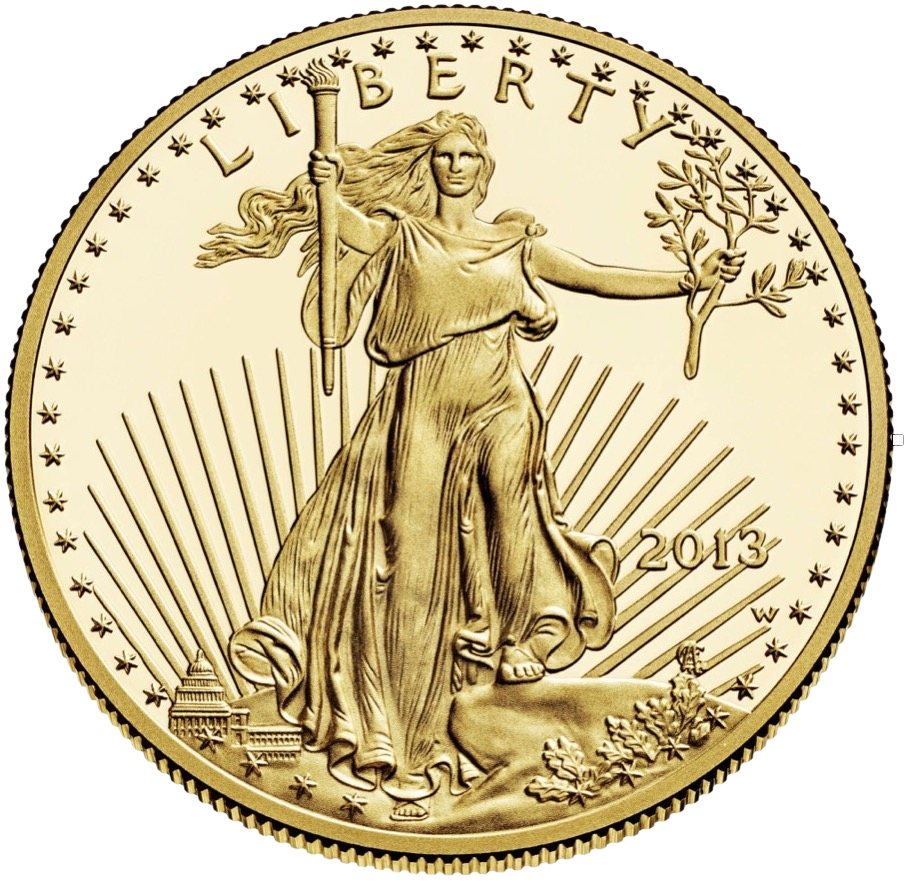
For example, an American Gold Eagle minted in 1986 may sell for more than one minted in 2000 due to scarcity and coin grading considerations that reflect the coin’s overall condition.
Coin Condition and Preservation
Even a rare coin may lose value if its condition is poor. Grading helps determine condition and can dramatically impact price. Uncirculated coins, which have never been used in commerce, often carry the highest value.
Proof coins, specially minted for collectors with sharp details and mirror-like finishes, are highly prized. Circulated coins with scratches, wear, or discoloration usually sell for less. Surface preservation, luster, and the absence of dents or marks all contribute to a coin’s value.
Gold Purity and Weight
Not all gold coins are created equal. The purity and weight of a coin directly affect its market value. Coins made from 24-karat gold (99.9% pure) are generally more valuable than lower-karat coins. Standard weights, such as 1 oz, ½ oz, or smaller fractions, determine the intrinsic metal content of a coin.
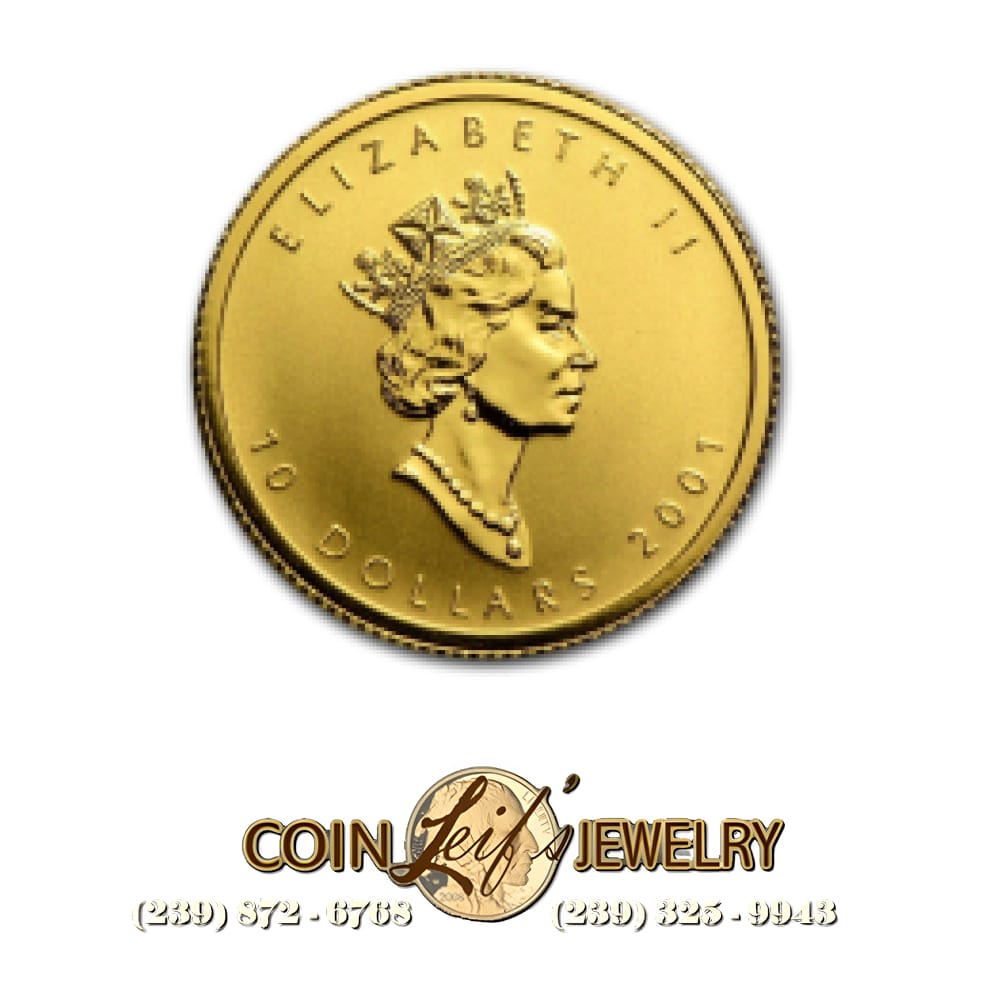
Naturally, heavier coins contain more gold, increasing their base value. For instance, a 1 oz Gold Maple Leaf, 99.99% pure, is worth more than a ½ oz coin of the same type simply because it has double the gold content.
Rarity and Collector Demand
Scarcity and demand are major drivers of value. Coins that are difficult to find but highly sought after can command premium prices. Limited edition releases and commemorative coins often gain value faster because collectors compete to acquire them.
For example, a Leif Ericson Millennium Commemorative Coin may carry a higher value than a standard-issue coin due to its limited release and collector demand among enthusiasts.
Grading and Professional Certification
Grading is the professional assessment of a coin’s condition, and it can dramatically affect resale value. Companies such as PCGS and NGC certify coins, giving buyers confidence in coin authenticity and quality. Coins are rated on a scale from Poor (P-1) to Perfect Mint State (MS-70) or Proof (PF-70).
Higher grades typically fetch higher prices. Self-grading carries risks because overestimating a coin’s condition can lead to lower resale prices. Certified coins are usually more marketable and can command a premium. The coin grading scale helps both buyers and sellers communicate a coin’s exact condition.
Market Trends and Gold Prices
Gold coin values fluctuate with market conditions. Rising gold prices increase the intrinsic value of coins, while global economic uncertainty often drives collector demand. Timing can also influence investment outcomes—buying when prices are low and selling during price spikes maximizes profit.
For example, during periods of economic instability, coins often surge in demand as investment coins because they are seen as a safe-haven asset.
Coin Type and Historical Significance
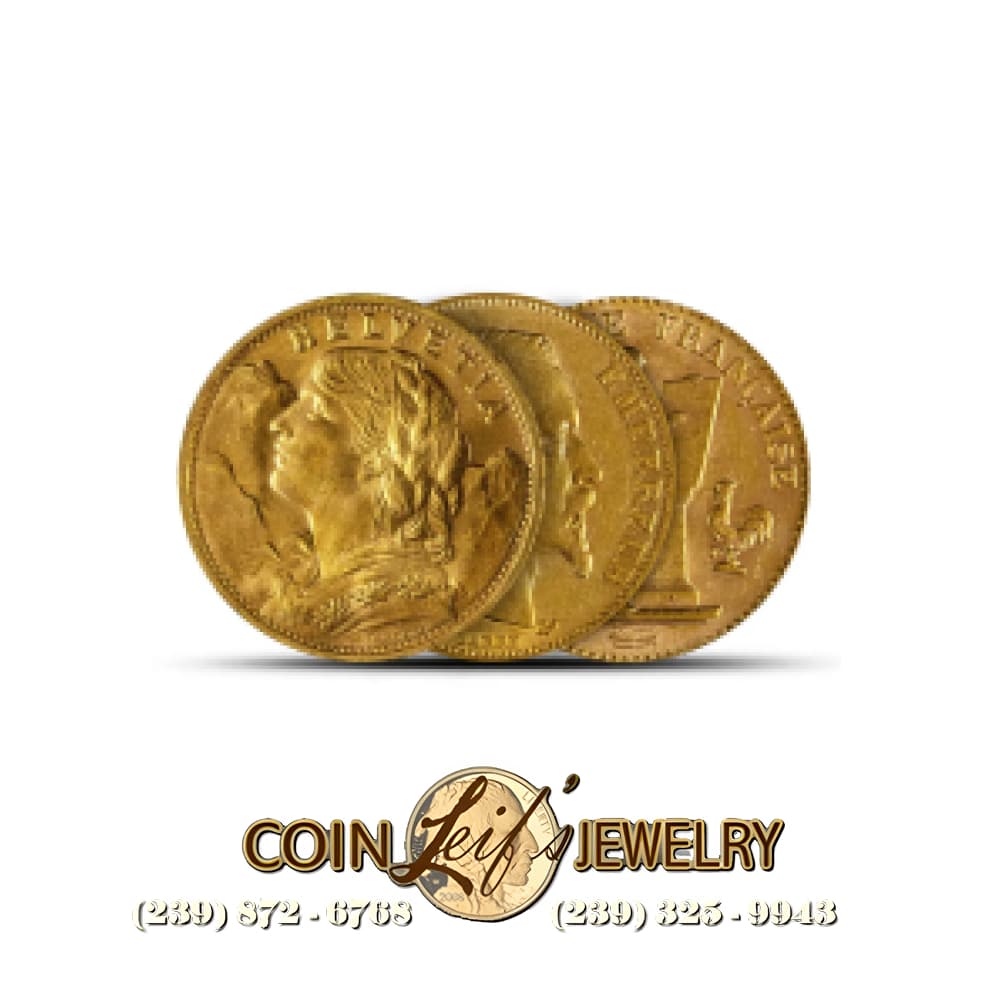
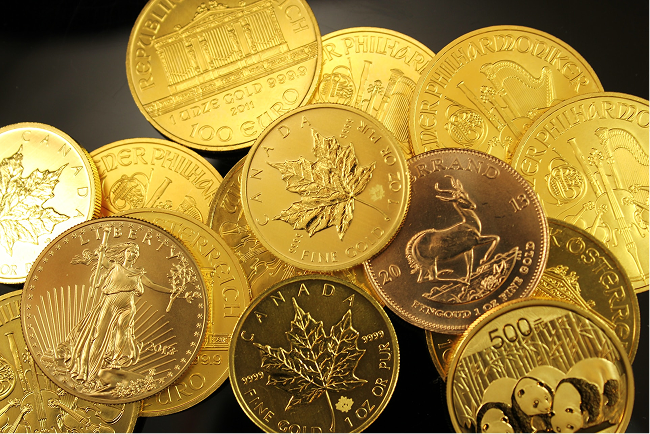
The type of coin and its story can significantly impact value. Popular coins like American Gold Eagles, Krugerrands, and Gold Maple Leafs are widely recognized and easy to trade, making them attractive to both collectors and investors.
Historical coins or commemorative releases often carry additional premiums. Coins tied to important events or figures add cultural and collectible significance, which makes them more desirable in the market. This is why historical coins often hold both monetary and sentimental value.
Tips for Buying and Selling Valuable Gold Coins
When buying or selling gold coins, protecting yourself and your investment is crucial. Follow these key tips:
- Buy from Reputable Dealers: Avoid counterfeit coins by working only with trusted dealers like Leif’s Coins.
- Keep Documentation: Always retain certificates of authenticity, receipts, or appraisal documents to increase trust and value.
- Research Market Prices: Check current gold coin prices for similar coins to avoid overpaying or underselling.
- Get Professional Appraisals: For high-value or rare coins, expert appraisal ensures an accurate understanding of the coin’s worth.
- Verify Coin Details: Confirm purity, weight, mint year, strike characteristics, and grading before finalizing any purchase or sale.
- Check Mintmark and Year: Certain mint marks and years can dramatically affect a coin’s desirability and market value.
FAQS
1. What makes a gold coin valuable?
A gold coin’s value depends on its age, rarity, condition, purity, and historical significance. Limited editions and well-preserved coins usually fetch higher prices.
2. How can I tell if a coin is authentic?
Always check for certification from professional grading services and buy from trusted dealers like Leif’s Coins to ensure authenticity.
3. What is the difference between proof and uncirculated coins?
Proof coins have a mirror-like finish for collectors, while uncirculated coins are new but made for circulation. Proof coins usually carry a higher premium.
4. How does coin grading affect value?
The coin grading scale (1–70) evaluates a coin’s condition. Higher grades like MS-70 or PF-69 can significantly increase resale value.
5. Should I buy gold coins as an investment?
Yes! Gold coins are both collectible and investment coins. They protect against inflation, retain value over time, and can be sold when market conditions are favorable.
Unlock the True Value of Your Gold Coins
Gold coins are valuable for multiple reasons: age, rarity, condition, gold content, and historical significance all play a role. Understanding these factors helps collectors, investors, and sellers make informed choices, protect their investments, and potentially grow wealth over time. Coins are at the heart of numismatics, blending history, art, and investment potential in one collectible item.
Get your gold coins appraised today at Leif’s Coins and discover their true value!